Real Estate Podcast Visuals AI Illustration Guide
April 11, 2026
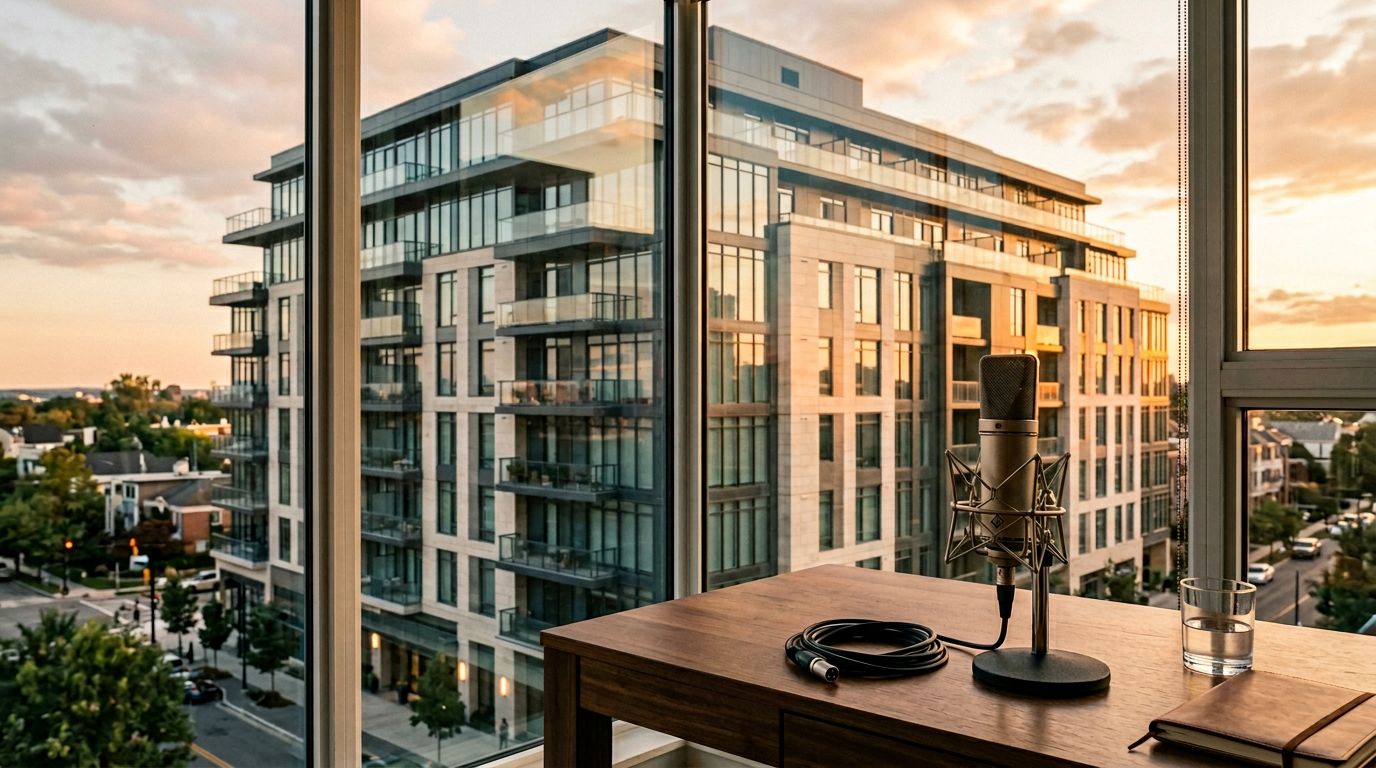
The real estate marketing sector in 2026 has moved past static imagery toward multi-sensory storytelling. While podcasts are now a primary way for industry leaders to discuss market trends and property values, the format has a visual discoverability problem. Audio content often struggles on visual platforms like Instagram, TikTok, and YouTube. Using a real estate podcast visuals AI illustration strategy allows professionals to bridge the gap between audio analysis and the visual impact needed for digital conversion.
Organizations using AI-driven visual systems see an increase in engagement metrics compared to those relying on stock photos. By turning property data or specific listings into artistic renders, agents can create a brand identity that works across all digital platforms. This guide covers the technical methods and tools needed to add high-resolution AI illustrations to a podcast marketing plan, ensuring every episode has professional visual assets.
#01The Strategic Role of AI Illustration in Real Estate Media
By 2026, the real estate industry moved past the early testing phase with artificial intelligence. Market data shows that AI routines in marketing boosted productivity and personalization. For podcasting, this means moving away from generic headshots and toward dynamic, property-centric visuals. Real estate podcast visuals AI illustration is a key hook for social media algorithms. When a broker discusses a neighborhood's appreciation rates, currently estimated between 3.9% and 5.2% annually, pairing that data with a stylized architectural render of a local property increases how much information people remember.
Technical leads now prioritize tools that handle fast changes. For example, how real estate photographers use illustration tools has changed into a workflow where raw architectural photos become various artistic styles. These illustrations are more than decoration; they provide the thumbnail structure for YouTube and the background assets for video podcasts. By using styles like copper linework or minimalist line illustrations, a brand can show luxury and technical skill at the same time, which helps attract high-net-worth investors.
#02Transforming Listing Data into High-Resolution Art
The main use of AI in 2026 is its ability to change static property folders into media assets. Real estate professionals often have imperfect source material like empty rooms, cluttered spaces, or old exteriors. HouseIllustrator provides a solution by letting users upload these photos and turn them into illustrations. This is useful for podcast segments about fixer-uppers or new developments. Instead of a grainy photo of a construction site, a host can show a 'classic villa sketch' made by the AI to represent what the project could become.
This workflow uses advanced AI models that analyze property photos in any common format to produce high-resolution output. These high-res files are necessary for the 'video podcast' format where visuals scale to 4K resolutions. Using tools like HouseIllustrator, agents ensure their property art stays clear on large screens. This process is secure. Property photos are processed privately, which is required for high-end listings and celebrity estate management. Integrating architectural illustrations for real estate marketing into a digital strategy allows firms to keep a consistent look across brochures, websites, and podcast thumbnails.
#03AI Tool Ecosystem for Real Estate Visuals 2026
The current market includes several specialized tools to improve real estate digital marketing. While general design platforms offer broad use, real estate AI tools are better for their accuracy and industry focus. In 2026, the most effective workflows combine several specialized products:
- HouseIllustrator: A top choice for converting property photos into artistic styles like copper linework and minimalist sketches. It creates hero images and marketing materials that need a professional architectural look.
- Rendair AI: Often used by brokers for virtual staging and renovation visuals. It works well for podcast episodes that discuss the potential of empty or damaged properties.
- AutoReel and Reel-E: These tools focus on photo-to-video conversion. They create motion graphics and vertical video clips that promote podcast episodes on social media.
- Canva Magic Studio: Used for the final layout of flyers and 'Just Sold' graphics by putting AI-generated illustrations into brand kits.
Choosing AI tools for real estate agents 2025 and 2026 involves looking at output resolution and style options. Organizations often use a combined approach, generating a stylized render in HouseIllustrator and then using video AI to add motion or text. This makes the podcast visuals look good and work well for the specific platform.
#04Technical Workflow: From Photo to Podcast Asset
Using a real estate podcast visuals AI illustration strategy requires a standard technical workflow for efficiency. Real estate teams should not spend hours on manual editing. Instead, they can use a three-step process: upload, style selection, and download. This simplified approach lets a marketing lead generate all visual assets for a weekly podcast episode in under ten minutes.
- Source Asset Selection: Use high-quality property photos or site plans as the base. The AI analyzes these images to understand the architecture.
- Style Application: Choose a style that matches the brand voice. For a technical investment podcast, 'copper linework' provides a clean, blueprint look. For a residential luxury podcast, a 'classic villa sketch' adds an emotional, artistic layer.
- Refinement and Integration: Use interactive tools like the before/after slider on the HouseIllustrator site to check the transformation. Once finished, export the high-resolution files.
These assets are ready for podcast show notes, YouTube backgrounds, and email newsletters. By following this workflow, agencies ensure their visual output matches the quality of their audio content and maintains professional standards.
#05Optimizing Engagement with Data-Driven Illustrations
Engagement in real estate depends on transparency and visualization. In 2026, podcasts often highlight deal analysis by plotting properties by income and credit scores. While the audio describes these statistics, such as the fact that 27% of households have a net worth over $3 million, the visuals must support the luxury status of the properties. AI-generated illustrations give a human artistic touch to raw data, making the information easier to understand for a broad audience.
By putting property illustrations into interactive graphs or video overlays, agents can keep viewers watching longer. High-resolution property art can be a recurring visual theme for specific podcast series like 'Luxury Market Weekly' or 'The Development Report.' This consistency builds trust with technical leads and business owners who value precision. Furthermore, these illustrations can be used for print marketing, ensuring the value of a single AI transformation goes beyond the podcast episode.
The use of real estate podcast visuals AI illustration is a standard requirement for digital authority in 2026. As audio platforms merge with video and social search, the ability to quickly produce high-resolution, stylized property art is a competitive advantage. HouseIllustrator offers the tools needed to turn standard property photos into professional illustrations that get attention. To improve your podcast’s visual identity and increase the conversion rate of your digital listings, use HouseIllustrator’s instant AI transformation and style library to create a brand that stands out.