PropTech Conference AI Illustration Marketing Guide
April 30, 2026
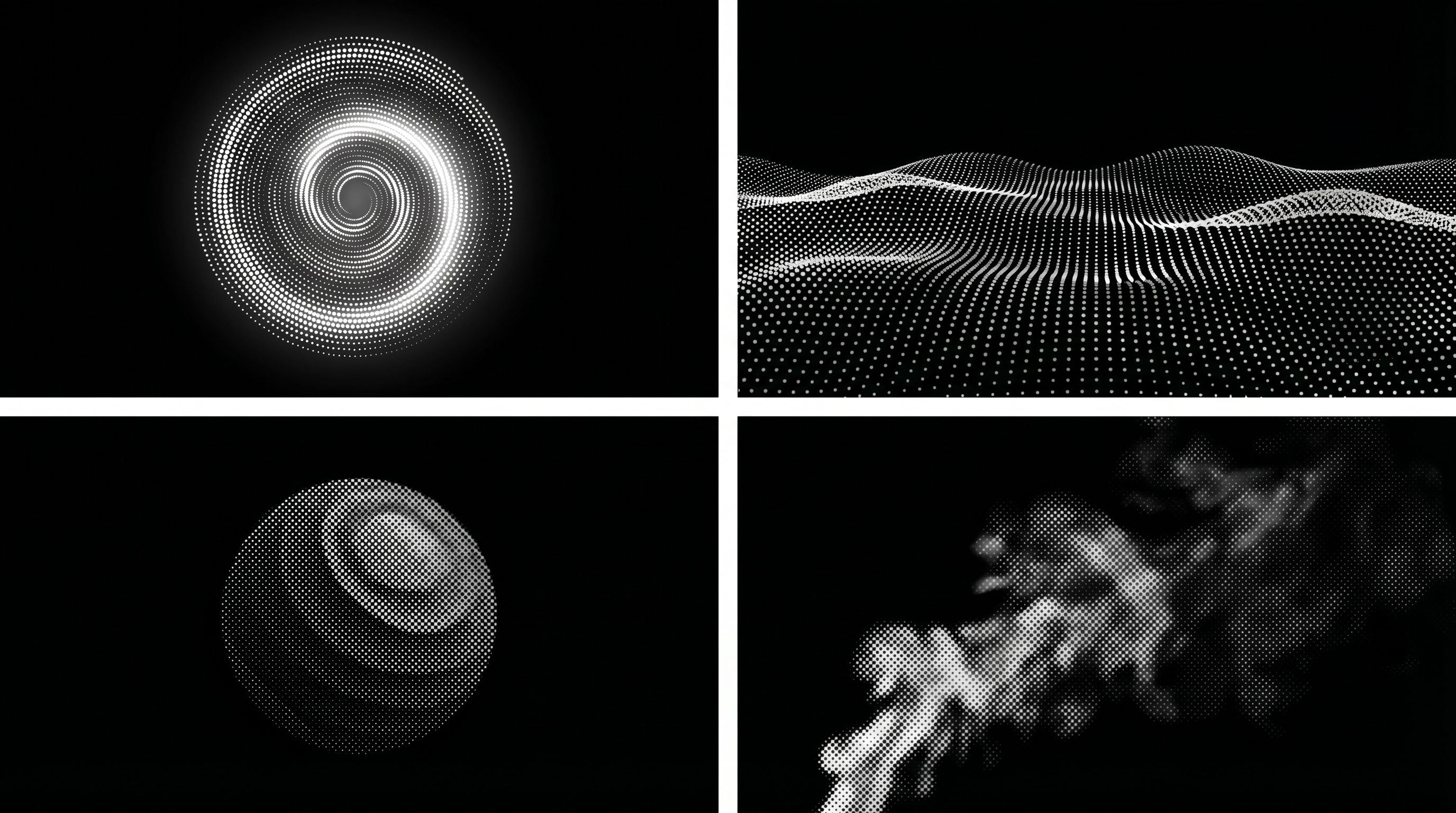
Walk the floor of any major PropTech conference in 2026 and something is immediately obvious: the booths that attract crowds are not the ones with the most monitors. They are the ones with the most compelling visuals on those monitors. AI-generated property illustrations have become the standard for companies that need to communicate complex technology to investors, agents, and developers in under 30 seconds.
The ongoing expansion of the global PropTech market means more companies competing at the same events, pitching to the same limited pool of capital. The companies winning those conversations are not necessarily the most technically advanced. They are the ones that make their technology legible, fast.
PropTech conference AI illustration marketing is now a distinct discipline. It covers everything from booth displays and pitch deck visuals to investor materials and post-event follow-up assets. This guide covers how to do it well, what tools actually deliver, and where most companies waste budget.
#01Why conference visuals are a different problem than listing visuals
Real estate agents use AI illustrations to sell a specific property to a buyer who already wants to buy. PropTech companies at conferences are doing something harder: selling a concept to an audience that may not yet understand the problem the technology solves.
That gap changes everything about what the visual needs to do. A watercolor render of a Victorian terrace works beautifully in a property brochure. At a conference booth, you need a before-and-after sequence that shows an agent submitting a photo and receiving a polished illustration in seconds. The transformation is the product demo.
This is why generic stock imagery fails for PropTech conference AI illustration marketing. The audience at events like CREtech, MIPIM Tech, or FUTURE PropTech includes architects, institutional investors, and brokerage principals. They have seen enough generic cityscapes. What stops them is a visual that answers the question they have not yet asked out loud: 'What does this actually produce?'
The answer to that question needs to be visible from three meters away. Not in a PDF attached to a business card they will never open.
#02The four places AI illustrations actually win at PropTech events
Not every conference touchpoint benefits equally from AI illustration. Focus investment on the four that move the needle.
Booth displays. A large-format print or screen showing a raw property photo transforming into a hand-illustrated architectural render is a proven crowd stop. The visual contrast does the work. No copy required beyond a short headline.
Pitch deck slides. Investor presentations at PropTech conferences move quickly. Slides heavy with text lose the room after the first few minutes. A single illustration showing a before photo alongside the AI-generated render communicates quality, speed, and market relevance simultaneously. HouseIllustrator's AI-driven illustration generation produces these assets without the multi-week wait that traditional rendering firms require.
Printed materials. Conference brochures get skimmed in queues and at networking dinners. A distinctive illustrated property visual on the cover performs better than photography because it signals 'this company makes things look different.' Brand consistency across booth, brochure, and digital assets matters more at events than in any other marketing context.
Post-event follow-up sequences. The conversation at the booth is not the conversion point. The email sent 48 hours later is. Including an AI-generated illustration of a property type relevant to the prospect's market, with a one-line explanation of how it was produced, extends the conference impression into the sales cycle. This is where PropTech conference AI illustration marketing generates measurable pipeline.
#03What separates good conference visuals from forgettable ones
Three variables determine whether a PropTech AI illustration lands or disappears into the visual noise of an event.
Style relevance. The illustration style must match the product's target market. A pencil sketch aesthetic communicates differently than a watercolor render or a clean architectural line drawing. Companies targeting luxury residential brokerages should use a different visual register than those targeting commercial developers. Tools that offer selectable illustration styles, like HouseIllustrator, let marketing teams align visuals with specific audience segments rather than defaulting to one output for all events.
Speed of production. Conference marketing timelines are not generous. A tool that requires three business days per render is not viable when the event brief arrives on a Tuesday for a Friday setup. AI illustration generation that can turn a property photo into a finished visual in minutes changes what is possible for event marketing teams operating under deadline pressure.
Scalability across markets. Large PropTech companies operate across multiple geographies. A single conference in London may require property visuals representing UK terrace houses, while a Dubai event demands renders of high-rise developments. The AI property illustrations Australia real estate guide and similar market-specific resources confirm that illustration tools need to handle architectural diversity. A tool limited to one property type or region will create production bottlenecks for global event schedules.
#04Investor materials are not booth materials
This distinction gets missed constantly. Companies reuse booth visuals in investor decks and wonder why the decks underperform.
Booth visuals need to be immediately legible at distance. Investor materials need to be immediately credible at close range. The standards are different. An investor reviewing a pitch deck for a PropTech platform is asking: 'Does this company understand real estate deeply enough to build tools for it?' A watercolor architectural illustration that clearly shows a property type the investor owns or funds answers that question before the first slide is read.
For pre-construction and development-stage products, AI illustrations are not optional. They are the only way to show what the technology produces before a live product exists. HouseIllustrator's pre-construction visualization capability lets developer-focused PropTech companies demonstrate end-state property visuals even when the underlying development is still at planning stage. That is a material advantage in early-stage fundraising contexts where the investor is buying a vision.
The AI illustration for real estate investor presentations framework applies directly here: pair each technology claim with a visual proof point. If the platform claim is 'we reduce illustration turnaround from two weeks to two hours,' show the two-hour output in the deck. Do not describe it.
#05Tools worth knowing and one to build around
The 2026 market for AI image generation includes Adobe Firefly 3, which produces photorealistic property visuals, and Midjourney v7, which generates stylized renders with significant creative control (AI Tools Protocol, 2026). Both are general-purpose tools that require significant prompt engineering to produce consistent real estate outputs.
For PropTech companies whose core message is 'we make property marketing visuals better,' the better approach is a purpose-built platform rather than adapting a general image generator to a specific use case.
HouseIllustrator is built specifically for this: photo-to-illustration conversion that produces architectural and property illustrations across multiple artistic styles, with the output intended for multichannel marketing campaigns. The workflow is direct. Upload a property photo, select an illustration style, receive a marketing-ready visual. No prompt engineering required, and outputs stay consistent across a full asset library.
For conference marketing specifically, that consistency is not a minor benefit. It is the entire brand argument. A PropTech company demonstrating its illustration tool at a conference needs every example visual it shows to be high quality. One weak output in a booth display undermines the product claim. Tools requiring manual prompt adjustment to produce reliable results are a liability in live demonstration environments.
See the comparison of AI illustration vs traditional architectural rendering for a full breakdown of when each approach makes economic sense.
#06Building a conference marketing asset library before the event
The companies that execute PropTech conference AI illustration marketing well do not produce assets week-of. They build libraries.
A functional conference asset library contains: eight to twelve property illustrations across at least three architectural styles, one before-and-after sequence per major product use case, three to five market-specific visuals for the primary geographies represented at the event, and one set of vertical-format assets for digital screens and one set of horizontal-format assets for print.
That sounds like a lot. With an AI illustration tool, it is a half-day of production work. Without one, it is a two-week agency engagement at significant cost.
The cost argument matters for PropTech companies operating on startup or growth-stage budgets. Traditional architectural rendering firms charge per visual and require detailed briefs, revision rounds, and final approval cycles. AI illustration generation collapses that process. The AI property illustration cost vs traditional rendering comparison shows the differential is not marginal: AI-generated visuals offer a significant reduction in per-asset costs compared to commissioned renders.
For a company attending six to eight conferences per year across multiple geographies, that cost difference is the difference between having a professional visual presence and making do with screenshots and stock photos.
PropTech conference AI illustration marketing will keep getting more competitive as the market expands toward USD 185 billion by 2034. The companies that build repeatable visual asset workflows now, rather than scrambling before each event, will have a structural advantage over those that treat conference visuals as a last-minute task.
The workflow is not complicated. Use a purpose-built AI illustration tool that handles diverse property types, produces consistent outputs across multiple artistic styles, and can turn a property photo into a finished visual without a two-week production cycle. For PropTech companies whose core value proposition is making property marketing better, showing up at conferences with generic visuals is not just a missed opportunity. It contradicts the pitch.
If you are preparing for a 2026 event and need illustration assets that hold up in a booth display, an investor deck, and a post-conference email sequence, try HouseIllustrator to transform your property photos into distinctive illustrated visuals that make the technology case without a single word of explanation.
Frequently Asked Questions
In this article
Why conference visuals are a different problem than listing visualsThe four places AI illustrations actually win at PropTech eventsWhat separates good conference visuals from forgettable onesInvestor materials are not booth materialsTools worth knowing and one to build aroundBuilding a conference marketing asset library before the eventFAQ