AI Illustration for Real Estate QR Code Marketing
April 12, 2026
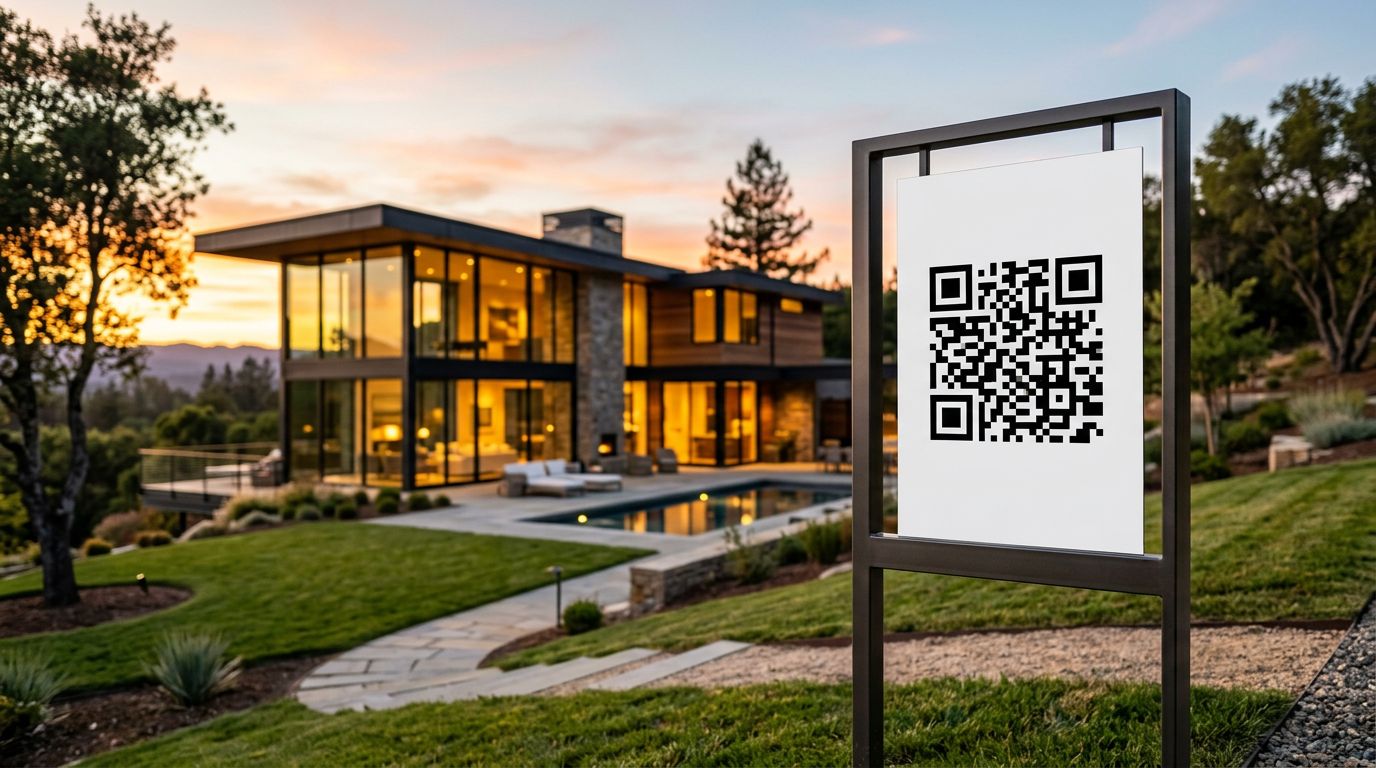
The resurgence of QR technology changed the property marketing sector in 2026. The modern QR code is a high-performance gateway connecting physical signage to immersive digital experiences. Data indicates that QR-initiated customer journeys in real estate achieve a 37% average click-through rate (CTR), which is over ten times higher than traditional digital display advertising. The integration of high-quality visual content drives this shift by capturing immediate attention at the physical touchpoint.
To gain from this high engagement, real estate professionals are turning to AI illustration for QR code marketing. By changing property photography into artistic renders, agents create a visual hook for yard signs and brochures. Custom AI visuals and trackable QR technology allow for measurable digital lead funnels that beat static listings. This article looks at the strategic use of AI-generated illustrations in the QR marketing market and the tools driving these conversions in 2026.
#01The Data Behind QR Code Growth in 2026
The adoption of QR codes is a core requirement for property listings. Recent research shows 93% of marketers increased their QR code usage over the past year. In the real estate sector, this growth comes from the technology's efficiency. A single scan provides a virtual tour, a digital brochure, or a contact form.
Industry benchmarks in 2026 show that campaign success depends on the visual presentation of the code and the materials around it. AI-generated illustrations provide a unique look that stops the scroll (or the walk-by). By using architectural illustrations for real estate marketing, agents distinguish their assets, leading to a 37% CTR. This engagement shows that consumers interact with physical marketing when it leads to a high-quality digital destination.
#02HouseIllustrator: Transforming Property Visuals for Higher Engagement
HouseIllustrator is at the center of this visual change. It is an AI tool designed to turn property photos into professional architectural artwork. For agents using AI illustration for real estate QR code marketing, the ability to make distinct styles like copper linework is vital for branding. The platform uses AI technology to analyze photos in any format and produce high-resolution outputs quickly.
This speed matters in a fast market. A real estate professional can take a smartphone photo, upload it to HouseIllustrator, and get an illustration for a yard sign within minutes. The tool includes a before/after comparison slider to check the quality. By adding these visuals to the AI property brochure generator workflow, developers and agents ensure their QR codes are both functional and visually striking. This high-resolution quality is necessary for printed materials like billboards.
#03Strategic Integration with Dynamic QR Platforms
To maximize ROI, technical leads recommend using dynamic QR codes. Unlike static codes, dynamic versions allow the destination URL to be updated without changing the physical sign. In 2026, platforms like Supercode and QR Dex are industry standards. Supercode turns physical materials into measurable lead funnels with performance tracking.
When a buyer scans a code with a HouseIllustrator render, the dynamic link allows the agent to rotate content. For example, a 'Coming Soon' sign might lead to an AI-illustrated teaser, then change to a virtual tour once active. This flexibility, along with the benefits of artistic illustrations in property listings, creates a smooth experience. Platforms like QRKit and NestQR offer customization to embed brand colors directly into the QR code design.
#04Optimizing the Physical-to-Digital Lead Funnel
The primary goal of AI illustration in QR marketing is lead capture. In 2026, funnel optimization involves a two-step process. First, the AI illustration on the sign is the 'hook.' It creates a sense of luxury that standard photography lacks. Second, the landing page must maintain this high visual standard. Experts recommend putting AI-generated virtual staging or 3D renderings into the landing pages reached by the scan.
This approach makes the transition between physical and digital feel like a continuous journey. Marketers track metrics like scan-to-lead conversion rates to improve these visuals. Using a minimalist line illustration for urban condos may drive higher engagement than a watercolor style in some areas. By using HouseIllustrator to test styles, teams can find which illustrations drive the most scans. AI transformation has made visual A/B testing a reality for modern agencies.
#05Best Practices for Implementation and Print Quality
Successful execution requires attention to technical detail. Because the illustration and the QR code appear on physical media, resolution matters. HouseIllustrator provides high-resolution outputs to prevent pixelation on yard signs. When placing a QR code on an illustrated background, contrast is key. The code needs a clear 'quiet zone' so that scanners, especially older smartphone models, can read the data.
Placement should be intuitive. It should be at eye level with a clear call-to-action like 'Scan to View Floor Plans.' In 2026, agents also use QR codes on 'Sold' signs to show the illustrated version of the home as a gift to the buyer, which is a powerful referral tool. This approach to visual marketing ensures that every touchpoint, between the first glance at a yard sign and the final closing document, is improved by professional AI artistry.
The use of AI illustration for real estate QR code marketing is a big step in how properties are shown to buyers. With a 37% CTR possible, the quality of your visual hooks determines campaign success. HouseIllustrator provides the precision and speed to turn standard photography into high-converting architectural art, bridging the gap between physical signage and digital lead capture. Upgrade your next listing by turning your property photos into professional illustrations with HouseIllustrator today, and turn your yard signs into high-performance digital gateways.