HMO Property Marketing: AI Illustration Guide for Landlords
April 14, 2026
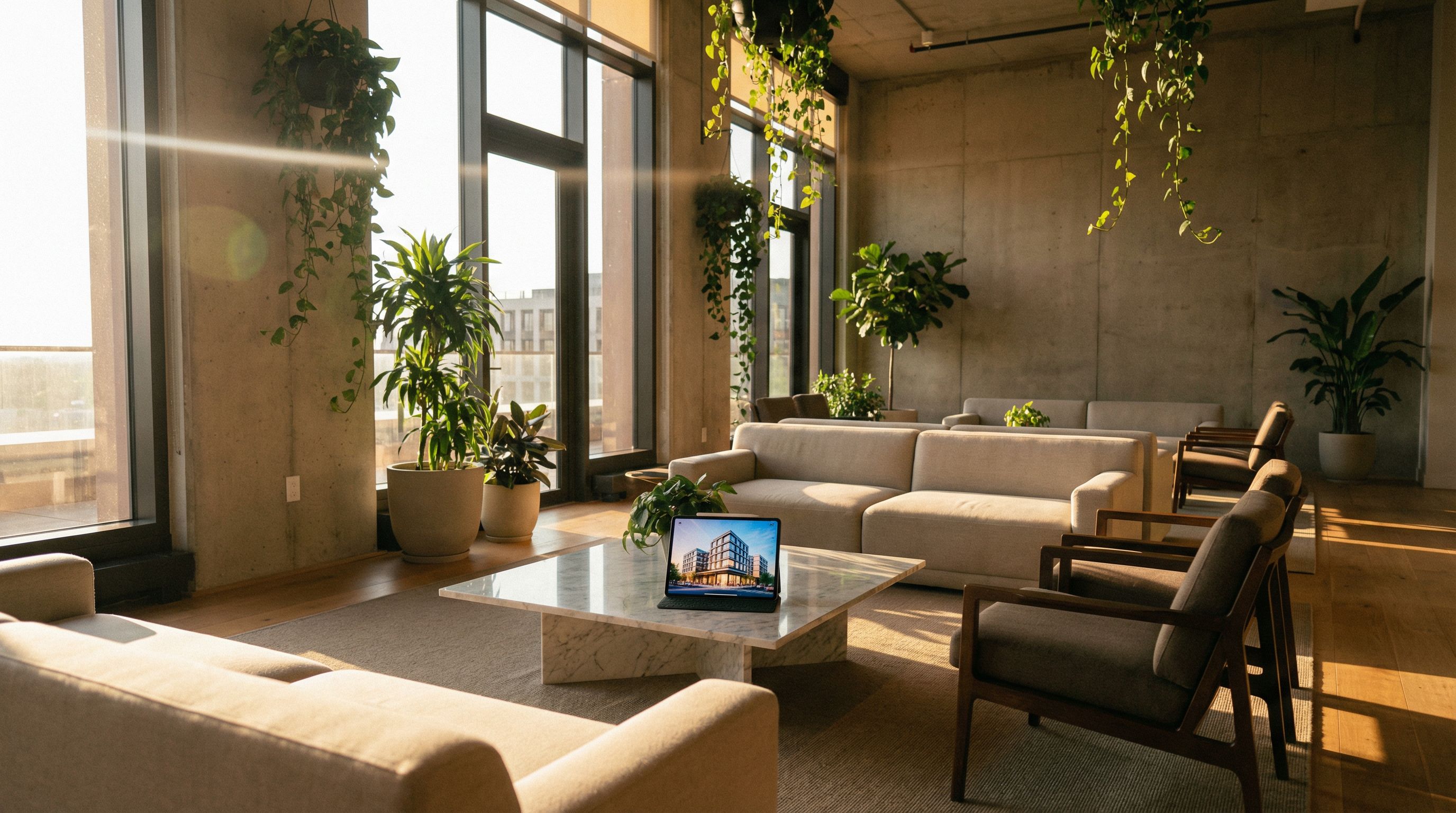
The state of Houses in Multiple Occupation (HMO) has changed significantly. By 2026, the strategy for attracting high-quality professional and student tenants moved from basic photography to high-impact visuals. This transition reflects the increasing adoption of AI tools within real estate marketing. For HMO landlords and letting agents, this change is more than aesthetic. It is a response to a competitive rental market where unique visuals lead to fewer empty rooms and higher rental income.
Standard photography often fails to show the potential of an HMO, especially when rooms are messy. HMO property marketing AI illustration is a tool to fix this. Using smart algorithms, property managers can transform standard photos into clean architectural illustrations. This method removes visual distractions so prospective tenants can focus on the layout and building quality. Reports from 2026 show a 12% revenue increase through AI use, making these tools necessary for growing an HMO portfolio.
#01The Rise of AI in 2026 HMO Management
Artificial intelligence is now common in the property sector. By adopting automated marketing systems, companies are able to reduce their operational costs. For HMO landlords, these savings come from automating visual content. Traditional architectural rendering used to be expensive and slow, often taking weeks for a single floor plan. Now, tools like HouseIllustrator offer instant AI conversion. Users upload a photo and get a high-resolution illustration in seconds.
This speed matters in the fast HMO market. When a room is available, agents must find a new tenant quickly. With HMO property marketing AI illustration, agents create professional marketing materials before the current tenant moves out. This keeps listings active and attractive while keeping the brand consistent across properties. AI-driven visuals result in a 4.9/5 satisfaction rating for marketing engagement on platforms like Canvora, showing that the market prefers clean imagery.
#02Solving the 'Cluttered Room' Pain Point
A major problem in HMO marketing is the condition of the property during photography. HMOs are shared spaces. It is often impossible to get a perfect photo of a shared kitchen or a bedroom because of laundry, personal items, or wear and tear. This mess often discourages professional tenants who want a specific lifestyle.
AI illustration tools fix this by focusing on the building features while ignoring the mess. Using a 'minimalist line illustration' style on HouseIllustrator, a landlord can show a bedroom as a clean space. The AI looks at walls, windows, and fixtures (the structural parts) and turns them into clean artwork. This lets tenants imagine living there without being distracted by someone else's belongings. As shown in our AI Illustration vs Traditional Architectural Rendering comparison, AI illustrations are cheaper and more flexible for rentals with high turnover.
#03Strategic Style Selection for Student and Professional HMOs
Successful HMO marketing in 2026 requires targeting different groups. The visuals for medical professionals in co-living spaces should look different from those for university students. AI illustration platforms offer several styles to help with this.
- Copper Linework: This style is often used for premium co-living projects. It looks professional and precise, making it good for brochures.
- Classic Villa Sketch: This works well for the outside of Victorian or Edwardian buildings. It highlights the history of the property, which is a big selling point in the UK.
- Minimalist Line Illustration: This is the standard for online listings. It looks clean and modern on phones and high-quality screens.
When landlords match the style to the tenant type, the brand becomes more effective. In competitive cities like London, the London Estate Agent Illustrations: 2026 Guide offers more help with local style trends.
#04High-Resolution Output for Multi-Channel Marketing
HMO marketing goes beyond a single listing. To get the best return, landlords need to reach tenants on social media, in emails, and through physical signs. HouseIllustrator helps by providing high-resolution images for all formats. When you upload a photo, the AI processes it privately. This meets data protection standards, which is a major concern for businesses in 2026.
These illustrations work well for construction signs and 'To Let' boards. An illustration often shows light and space better than wide-angle photos, which can make rooms look odd. These images are also good for social media. Our Real Estate Social Media AI Illustrations: 2026 Guide notes that stylized content gets more likes and shares than regular photos because it stands out. This approach makes the HMO visible to more people by using AI to build a better brand image.
#05Optimizing the Listing Workflow
Efficiency in 2026 depends on how fast you can get a tenant into a new property. Old methods involved hiring photographers and waiting for edits. The AI process takes three steps:
- Upload: Send any photo from a phone while at the property.
- Choose Style: Pick a style like 'copper linework' for luxury listings.
- Download: Get the high-resolution image immediately for digital or print use.
This fast process lets agents manage more properties without hiring more staff. Tools like the before-and-after slider on HouseIllustrator also help with quality control. They let agents check that the AI kept the room proportions correct while making it look better. This precision is why AI tools led to a 12% revenue increase in the property sector last year.
Moving to AI visuals is a necessity for HMO landlords today. Using HMO property marketing AI illustration helps you avoid the mess in occupied rooms, build a professional brand, and save time on marketing. HouseIllustrator turns standard photos into high-resolution illustrations in seconds. To keep occupancy rates high in 2026, start converting your HMO photos into professional illustrations now.