Vilnius Real Estate AI Illustration Tools: 2026 Guide
April 11, 2026
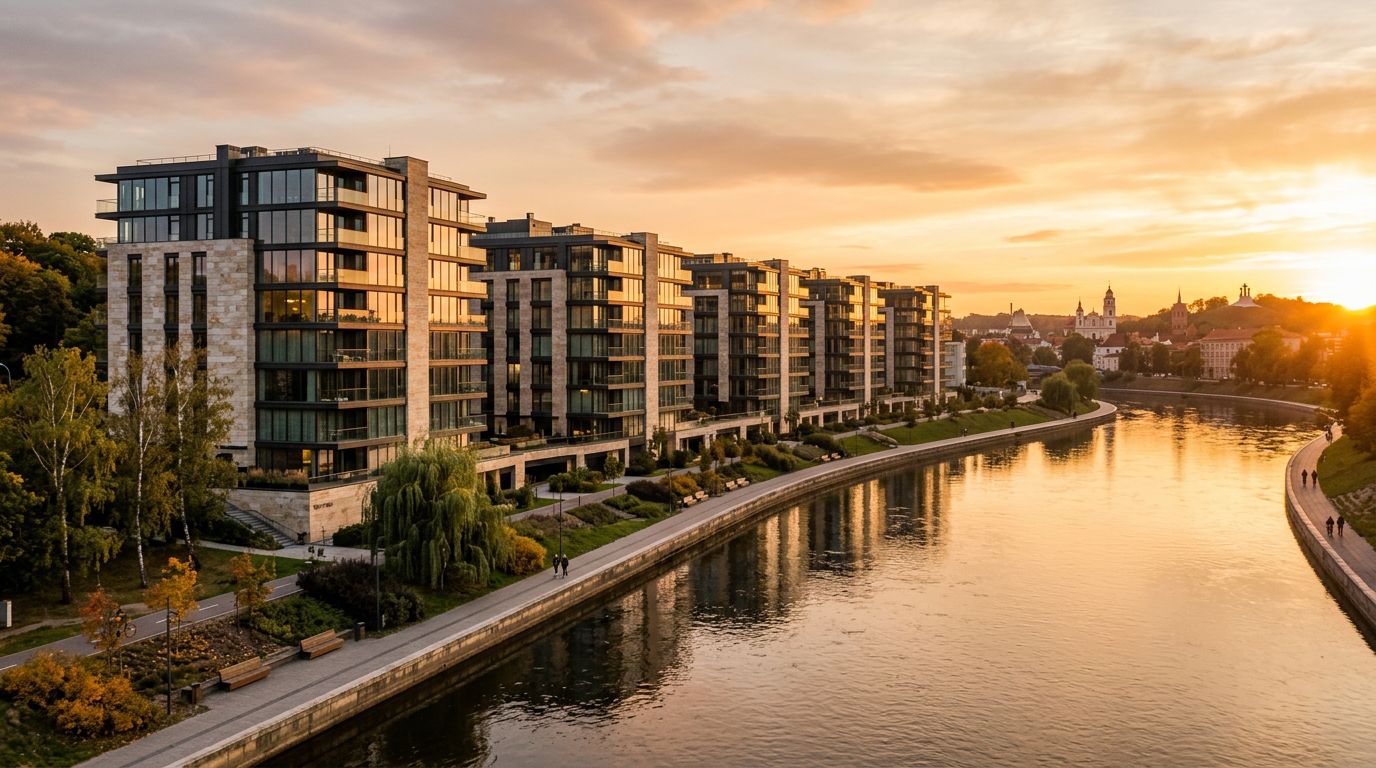
The global real estate AI market is expected to reach $404.9 billion by the end of 2026, with a 34.3% annual growth rate from 2025. This increase comes from the high adoption of visual tools that improve property presentation. In Baltic cities like Vilnius, these tools are becoming necessary as the market shifts toward buyers. Data shows that 70% to 80% of Vilnius residential sales close at or below the asking price, making visual distinction a requirement. Vilnius real estate AI illustration tools help agents and developers avoid the 2.5% pricing errors common in old valuation methods. By adding computer vision to marketing, companies improve property assessments with 89% accuracy. This guide reviews how AI-powered visualizations change the Vilnius property market, focusing on cost and return on investment.
#01Economic Impact of AI Visualizations in the Baltic Market
AI-powered visualization tools change the cost-to-benefit ratio of property marketing. In the 2026 Vilnius market, where price growth is predicted at 4% to 7%, visibility is very important. Staging with rented furniture is expensive, but AI virtual staging cuts these costs by 97%. Data indicates that properties with quality virtual staging see a 25% higher offer value. This is useful for new projects in districts like Paupys and Šnipiškės.
Engagement metrics for these listings are also higher. Listings with AI-assisted 360-degree tours or architectural illustrations get 87% more views than those with standard photos. For companies with large portfolios, using an AI architectural visualization real estate guide ensures consistent results while lowering the cost per listing. These tools use computer vision to clarify structural details for international investors looking at the Baltic region.
#02Technical Capabilities of Modern Illustration Tools
Modern Vilnius real estate AI tools use neural networks to turn standard photos into marketing assets. These systems look at spatial data to recreate rooms in different styles. HouseIllustrator allows professionals to perform an instant transformation, turning raw photos into high-resolution illustrations in seconds. This speed helps agents in a market where fast listings often succeed.
These tools have style options for different buyers. A developer might use a copper linework style for an Old Town restoration or a villa sketch for a luxury home. The AI keeps the original photo's structure while adding the style. HouseIllustrator includes a before and after tool so leads can check that the final image matches the real building. This precision helps maintain the benefits of artistic illustrations in property listings without being misleading.
#03Workflow Integration and Data Security in Property Tech
For Vilnius firms, adding AI tools to CRM and marketing systems must be smooth. The 2026 standard uses a three-step cloud process: upload, select style, and export. This removes the need for special hardware or long editing hours. HouseIllustrator works with these professional systems, providing files for brochures, websites, and signs.
Security is a main priority for technical leads. Secure processing is required for enterprise use. Industry tools ensure photos are processed in encrypted spaces and are not used for training external models without permission. This privacy is vital in the EU, where GDPR rules the handling of visual data. By using secure platforms, agencies can expand their marketing without creating security risks.
#04Strategic Application for Off-Plan and New Developments
The 2026 Vilnius development list includes many off-plan projects where photos are not possible. Moving from sketches to illustrations is a key part of sales. AI tools help developers create AI property developer off-plan marketing illustrations that show the finished space. By using architectural renders, developers can make styles like minimalist line drawings for brochures.
This works well for large urban projects where the feel of the space is as important as the specs. High-resolution files stay sharp for large signs and advertisements. As Vilnius draws tech professionals and investors, using AI visuals shows the technical quality that buyers expect.
#05Comparative Analysis: AI Illustrations vs. Manual Rendering
Moving from manual 3D rendering to AI illustration happens because of speed and cost. Traditional rendering takes days or weeks, but AI gives results in seconds. In 2026, platforms like Rendair AI and HouseIllustrator show that AI quality matches manual CGI. Rendair AI is often used for virtual staging, while HouseIllustrator focuses on turning photos into styles like villa sketches.
| Feature | Traditional 3D Rendering | AI Illustration (e.g., HouseIllustrator) |
|---|---|---|
| Turnaround Time | 3-10 Business Days | < 30 Seconds |
| Cost per View | High ($200-$1000+) | Low (Subscription/Credits) |
| Customization | Manual/Iterative | Instant Style Selection |
| Technical Barrier | High (Requires Specialist) | Low (Self-Service) |
| Resolution | Variable | Professional High-Resolution |
For Vilnius agents, the choice depends on the goal. To build a unique brand, using one AI style for all listings creates a consistent look that manual rendering cannot do at scale.
As the Vilnius market grows through 2026, AI visual tools are becoming a standard requirement. Companies using these technologies can reduce marketing costs and increase engagement. HouseIllustrator is a professional tool for turning property photos into architectural illustrations with the resolution and security needed today. To improve your brochures and stand out in the Baltic market, use the artistic tools at HouseIllustrator.