Tiny Home AI Illustration Marketing for Real Estate
April 11, 2026
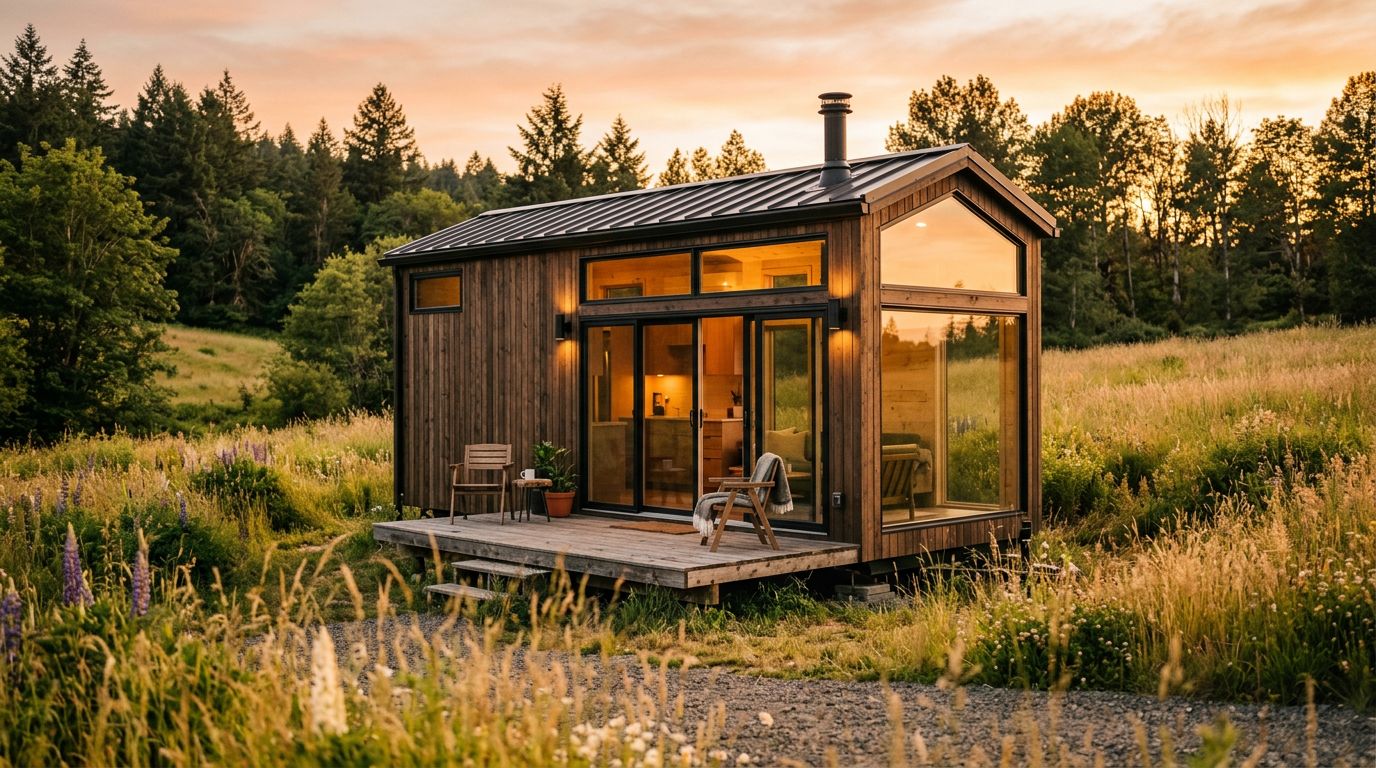
The global tiny homes market will likely reach USD 8.70 billion by 2026, growing at a rate of 6.5% through 2033. This growth comes from a major shift in real estate demand toward sustainable, affordable, and mobile living solutions. As conventional housing costs remain high, business leads and technical stakeholders are turning to AI-powered design and marketing tools to reach this expanding demographic. Using tiny home AI illustration marketing real estate strategies is now a necessary part of the process for developers and agents aiming to differentiate their inventory in a crowded digital space.
AI-driven visualization tools change how compact structures are presented to potential buyers. Standard photography can have trouble capturing the functionality of small spaces, making architectural illustrations a better alternative for showing lifestyle and design potential. By using advanced algorithms, marketers can now generate high-quality visuals that highlight mobility, space use, and sustainable construction features. This approach effectively targets the 22% of remote workers who moved to smaller towns between 2023 and 2025 seeking a minimalist lifestyle.
#01The 2026 Tiny Home Market and Data Drivers
Understanding current market segmentation is important for the effective use of tiny home AI illustration marketing real estate assets. As of 2026, mobile tiny homes lead the market with a 59.6% share, while units smaller than 130 square feet make up 40.8% of the segment. These statistics show a clear preference for mobility and efficiency. For marketing professionals, visual materials must show more than the building alone. They must also show the mobility of the asset and how it fits into different environments.
Material trends also influence visual marketing strategies. Wood remains the primary material choice, holding a 37.7% market share because of its sustainability and appeal to millennial buyers. AI-powered tools like HouseIllustrator allow agents to highlight these textures through specific artistic styles, such as classic villa sketches or minimalist line illustrations, which match the eco-conscious values of the target audience. By using data-driven visuals, organizations can reduce material waste and build-time perceptions, showing a clear vision of the property before construction begins.
#02Why AI Illustrations Outperform Photography in Compact Spaces
Marketing a tiny home presents specific challenges for traditional photography. Wide-angle lenses often distort the proportions of interiors under 130 square feet, creating a disconnect between listing photos and the actual space. This is where architectural illustrations for real estate marketing provide an advantage. Illustrations allow for a conceptual view of the property, focusing on the architectural intent and space use rather than the limits of the physical walls.
Artistic renders can also hide clutter or unfinished site conditions that might distract a buyer. Expert insights from 2026 suggest that using AI rendering tools to create realistic or stylized visuals can speed up sales and increase engagement on property portals. By converting a standard photo into a high-quality illustration, agents can highlight specific features, such as custom cabinetry or loft sleeping quarters, that often get lost in standard photography. This method supports the benefits of artistic illustrations in property listings by creating a connection with the buyer through visual consistency and brand-aligned visuals.
#03Implementing HouseIllustrator in the Sales Workflow
HouseIllustrator provides a simple, AI-powered way to turn property photos into elegant illustrations. For real estate professionals, the platform offers an instant AI tool that generates high-quality results in seconds. The workflow is efficient: users upload a property photo in any common format, choose from several illustration styles (including copper linework or minimalist line illustrations), and download a high-quality image ready to use in digital or print brochures.
One of the most effective features for tiny home marketing is the interactive before and after comparison tool. This allows agents to show the change from a basic mobile structure into a high-end, artistic rendering, which is useful for social media and email campaigns. Because HouseIllustrator ensures secure and private processing, technical leads can add the tool to their marketing tools with confidence. The ability to produce high-quality illustrations at scale allows teams to keep a consistent brand look across many listings without the extra costs of hiring dedicated illustrators.
#04Cost Efficiency and Return on Investment of AI-Driven Visuals
Physical staging for small properties can cost $2,000 to $5,000, which is often hard to justify for tiny home listings with lower price points. AI-powered tiny home AI illustration marketing real estate tools provide a cheaper alternative by allowing for virtual staging and artistic enhancement. Industry data from 2025 to 2026 shows that properties using AI-enhanced visuals see a 40% increase in sales speed compared to those using only unedited photos.
By following an AI architectural illustration from photos guide, real estate professionals can learn to maximize their visual return on investment. These tools allow for the quick generation of customized interiors tailored to specific buyers, such as digital nomads or retirees. The speed of AI generation, which often produces marketing-ready 3D visuals in seconds, allows for quick testing of different styles to see which attracts the most clicks. This speed is necessary for standing out in competitive digital marketplaces where the first impression is often the only impression a buyer makes.
#05Targeting the Remote Workforce and Eco-Tourism Segments
The rise of remote work has changed the geographic spread of housing demand. With over 20% of remote workers moving to smaller towns, the tiny home market has seen more interest for primary homes and vacation rentals. Marketing these properties requires a visual style that talks about freedom and sustainability. AI illustrations can place a tiny home in various seasonal or geographic settings, such as a snow-covered mountain or a forest, without expensive on-site photoshoots.
For developers focusing on the short-term rental market, AI illustrations help visualize the visitor experience. By emphasizing eco-features and the mobility of the unit (which 59.6% of the market prefers), marketers can appeal to the eco-conscious traveler. Using high-quality outputs for social media and website images ensures that the marketing materials look as premium as the lifestyle. The precision of AI-driven tools ensures that these visuals remain structurally accurate, maintaining trust while providing the quality needed for higher pricing.
#06Best Practices for 2026: Accuracy and Transparency
As AI becomes common in the industry, transparency is important. In 2026, markets like California have implemented required disclosure rules for AI-edited imagery. It is best to label visuals as "AI-generated" or "artistically rendered" to follow the law and keep buyer trust. The concept of "structural lock," used by modern AI platforms, ensures that while the style of the image is improved, the main layouts, window placements, and ceiling heights remain accurate to the physical building.
To build trust in the tiny home space, agents should combine these illustrations with technical data. Using high-quality renders from HouseIllustrator alongside floor plans gives the buyer a full understanding of the space. This combined approach, which blends the artistic and the technical, reduces buyer regret and lowers the risk of walkouts during tours. By following these industry standards, real estate professionals can use AI to drive sales while maintaining the reputation of their brands.
The growth of the tiny home market requires a clear approach to visual storytelling. By adding tiny home AI illustration marketing real estate techniques to your sales strategy, you can get past the space limits of traditional photography and reach a global audience of remote workers and eco-conscious buyers. Use HouseIllustrator to turn your property photos into high-quality copper linework or villa sketches in seconds. Improve your next listing presentation and create high-quality brochures that stand out. Start using HouseIllustrator today.
Frequently Asked Questions
In this article
The 2026 Tiny Home Market and Data DriversWhy AI Illustrations Outperform Photography in Compact SpacesImplementing HouseIllustrator in the Sales WorkflowCost Efficiency and Return on Investment of AI-Driven VisualsTargeting the Remote Workforce and Eco-Tourism SegmentsBest Practices for 2026: Accuracy and TransparencyFAQ