Tallinn AI Architectural Illustrations: 2026 Guide
April 11, 2026
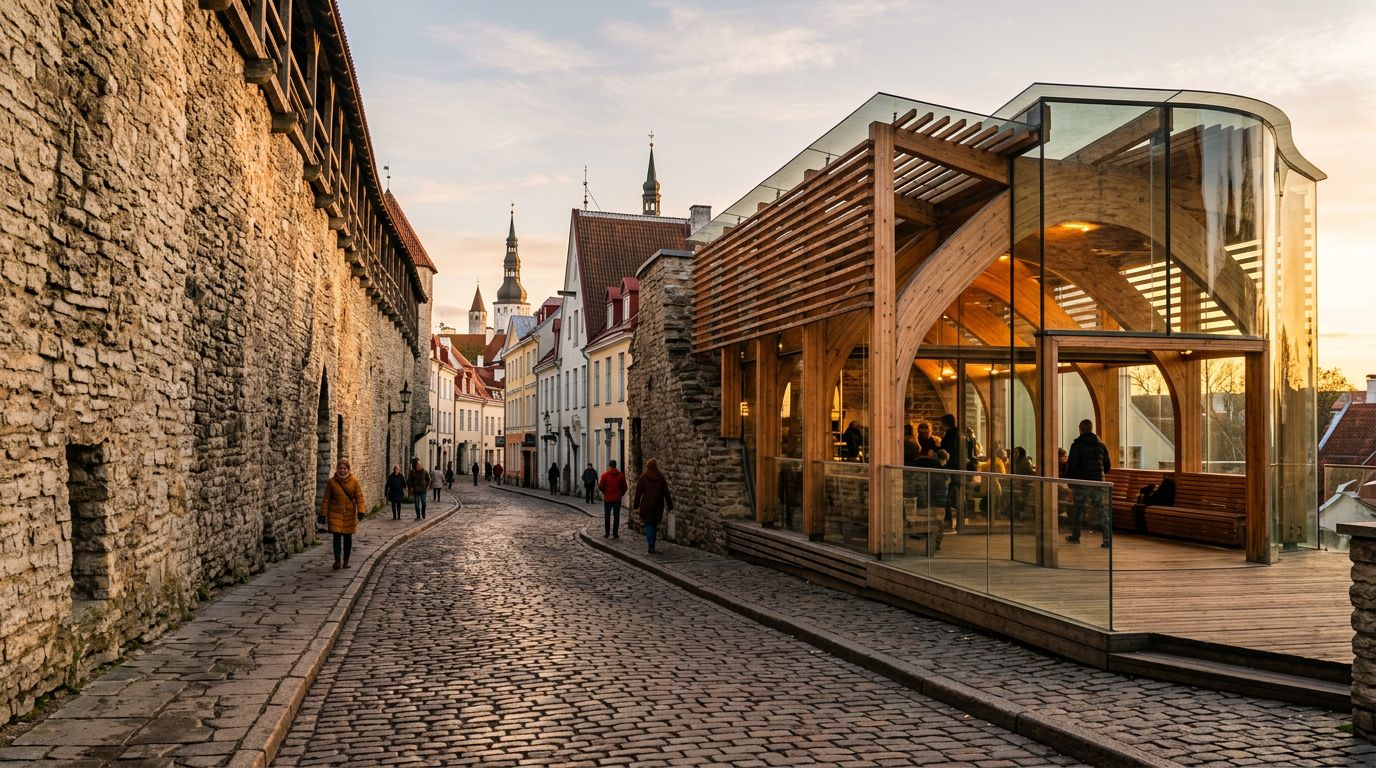
Tallinn's urban identity combines medieval history with digital growth. By 2026, the use of Tallinn AI architectural illustrations has reached a major point, pushed by the Tallinn Architecture Biennale (TAB) and a changing real estate market. Professionals in architecture, engineering, and construction now use AI as a main part of their design and marketing work rather than just a novelty. This shift shows in how developers and architects handle city spaces, like the UNESCO Old Town or the newer Kalamaja and Noblessner areas. Technical progress in the Baltics often leads European trends, and architectural visuals are a clear example. In 2026, the need for fast, high-quality concepts has created many specialized AI tools. These tools understand limestone textures and northern light. For real estate professionals, this helps them show their vision quickly, turning the slow 3D rendering stage into a fast process for design changes. This guide covers the market, technical rules, and benefits of AI illustrations in Estonia's capital.
#01The TAB 2026 Influence: Redefining Value Through AI
The Tallinn Architecture Biennale 2026 set this year's focus with the theme "How Much?" Curated by Stuudio TÄNA, Mark Aleksander Fischer, and Mira Samonig, it asks the industry to look past building costs and consider nature and social results. Tallinn AI architectural illustrations are a main part of this conversation. AI tools help architects quickly test "Void to Value" ideas. They can look at city gaps, such as the Harju Street sites damaged in WWII, without the high costs of old rendering methods in early stages. Data shows 85% of architects save time when using AI to make or improve images. For the TAB 2026 Vision Competition, participants must work within money limits. AI visuals help these pros show complex public spaces that focus on lasting use instead of low costs. The competition, with prizes up to €4,499.99, shows a change toward design focused on value. AI is now the main tool for testing materials and spatial stories. For more details on these changes, read our AI architectural visualization real estate guide.
#02Technical Adoption and Integration Trends in 2026
Data from the Baltic AEC sector shows 64% of architects have tried AI, while 20% use it daily in their work. The main problem was matching quality, but 2026 tools are fixing this. In Tallinn, AI has the most impact in the early concept stages, according to 43% of professionals. This helps people create ideas for different building styles quickly, which is necessary in a city with 13th-century walls and modern smart systems. Workflows are now using mixed methods. While people use Midjourney v7 or DALL-E for general ideas, they use platforms like HouseIllustrator (Our Store) to change actual property photos into marketing art. HouseIllustrator has a three-step method: upload, choose style, and download. This fits the speed needed by Estonian agencies. This fast AI change creates high-quality images for brochures and sites, keeping the visual goal close to the real building.
#03Heritage Preservation and the Old Town Voids
Showing new buildings in a UNESCO World Heritage site needs a careful mix of respect and modern updates. Tallinn's Old Town has specific gaps where buildings are missing or were destroyed. These spots need careful design. Tallinn AI architectural illustrations help developers suggest changes that honor the medieval surroundings while adding modern life. AI models trained on specific building shapes can show how green materials look next to old limestone walls. This gives a level of detail that used to take a long time to create. Experts such as Patrik Schumacher have supported AI in competitions to expand design options. In Tallinn, this means moving away from basic glass and steel images to art that captures the local mood. By using prompts made for Tallinn's weather and history, architects can make visuals that show the social and nature-related costs of rebuilding. This method proves a project works for planners and the public before work starts. Read about the property photo to artistic render: tools and techniques used here.
#04Real Estate Marketing: From Photos to High-Res Artwork
Real estate agents in Tallinn face the challenge of being noticed in a digital market in 2026. Normal photos often fail to show what a property can become, especially for historic homes or those needing repair. HouseIllustrator solves this with AI powered real estate illustrations for agents. It changes a standard photo into different art styles. Styles like "classic villa sketch" or "copper linework" give a high-end look that attracts buyers in Pirita or Viimsi. HouseIllustrator also includes a before-and-after slider. This tool lets investors compare the current state of a house with the illustrated version, making it useful for sales offices and online ads. Since the AI looks at photos immediately, agents can make marketing images in seconds. This speed is vital during the busy spring and autumn seasons in the Baltics. High-resolution images stay sharp on Instagram or on large building signs.
#05Sustainability and Cost-Value Analysis in Baltic Architecture
The 2026 market is looking closer at the "paradox of cheapness." The TAB 2026 plan suggests that cheap construction often causes high social and nature-related costs later. AI architectural illustrations help by showing the long-term worth of green design. By showing green roofs, solar panels, and wood structures in a way that looks good, AI helps people see the value in quality. In Tallinn, where energy use is important due to cold winters, AI tools show the effects of renovations. Showing a client how an old Lasnamäe apartment block could look with a new, efficient exterior is a strong way to involve the community. These illustrations create a clear conversation between developers, residents, and the city. They help answer "How Much?" by focusing on total value. Professionals use these tools to explain the benefits of modern architecture rather than replacing technical plans.
#06Future-Proofing the AEC Workflow with AI
By the end of 2026, AI in Tallinn's architecture will move from simple ideas to exact modeling. New trends include AI agents and fast testing that puts material choices right into the image. For Tallinn firms, staying ahead means using different tools together, mixing creative AI with exact real estate software. Data safety is a priority in Estonia. Professional tools like HouseIllustrator process photos safely and do not store them without permission. This meets the standards of large companies and legal teams. This focus on safe, quality AI is what makes Baltic market leaders successful. By using these tools, Tallinn’s architectural and real estate groups are showing how to combine history with new design.
The growth of Tallinn AI architectural illustrations marks a big change in how Baltic real estate is planned and sold. These tools help professionals show complex ideas clearly and quickly by connecting history and modern needs. If you are entering the TAB 2026 Vision Competition or selling a luxury home in the Old Town, good visuals are needed. HouseIllustrator (Our Store) offers a way to turn property photos into professional art in seconds. Improve your marketing now with this AI tool. Choose styles like copper linework or villa sketch to make a property stand out. Start using HouseIllustrator to see the new way of real estate marketing.
Frequently Asked Questions
In this article
The TAB 2026 Influence: Redefining Value Through AITechnical Adoption and Integration Trends in 2026Heritage Preservation and the Old Town VoidsReal Estate Marketing: From Photos to High-Res ArtworkSustainability and Cost-Value Analysis in Baltic ArchitectureFuture-Proofing the AEC Workflow with AIFAQ