Real Estate App Store Visuals AI Illustration: 2026 Guide
April 11, 2026
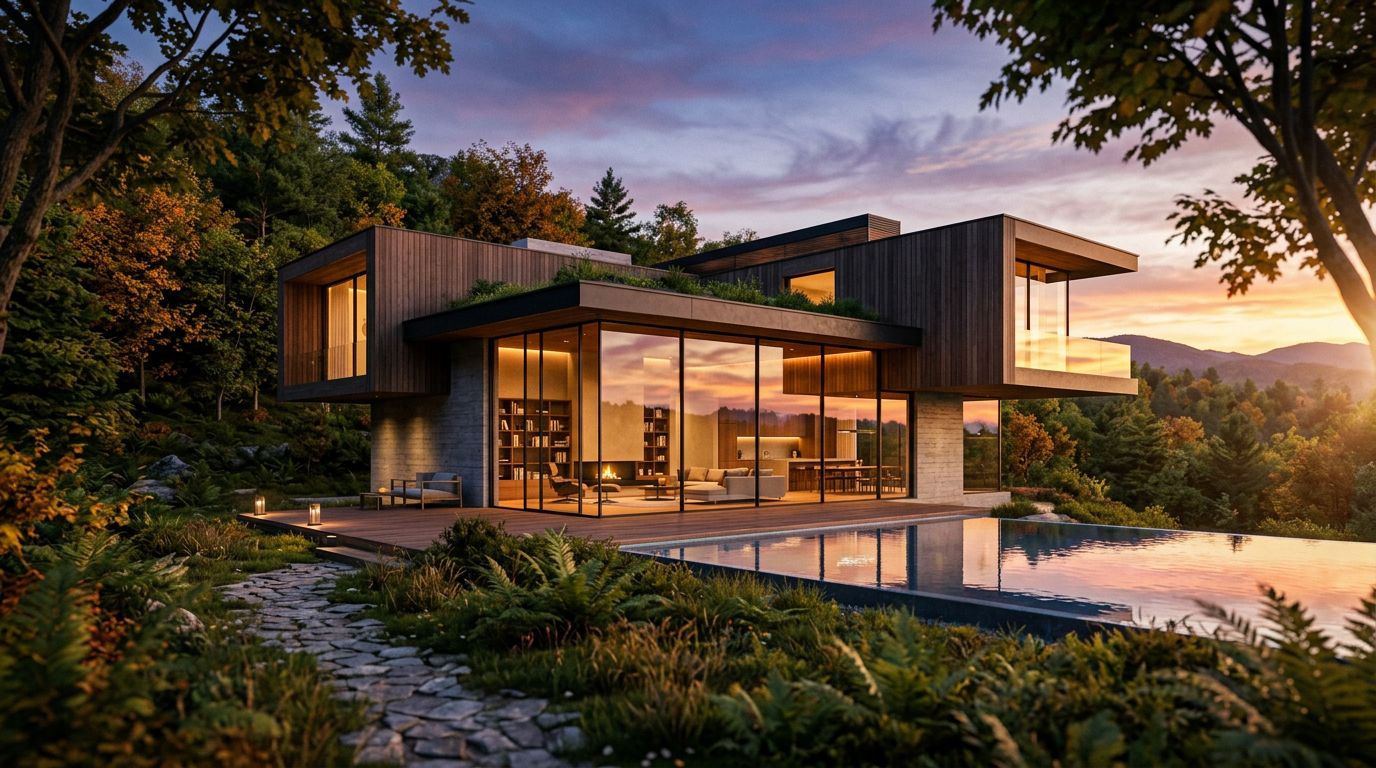
The digital market for property technology is changing rapidly. By 2026, the AI real estate market is expected to reach $404.9 billion, with a yearly growth rate of 34.3%. Developers and marketing leads compete for user attention in the app store. Standard architectural photos often fail to capture the quality needed to drive high download volumes in a crowded market. Using AI illustration for real estate app store visuals has moved from an experiment to a standard practice for App Store Optimization (ASO). High-quality artistic renders allow brands to display property potential, particularly for pre-construction marketing where buildings do not exist yet. Using AI-driven imagery helps organizations improve user engagement and conversion metrics.
#01The Economic Impact of AI Visuals in PropTech
Data from 2026 shows that the global PropTech market, which supports current real estate apps, is worth about $44.59 billion. Commercial real estate app development holds a 50.08% market share in this area. Investing in high-quality visuals is based on conversion performance. AI-driven listings show a lead-to-tour conversion rate of 15% to 18%, while traditional marketing assets see 10% to 12%. This is a 20% performance increase caused by the visual quality and interface clarity. Visuals also help users find properties faster. People using AI-enhanced search interfaces find properties 30% faster, dropping from a 14-day average to around 9 days. This speed helps maintain high user retention rates, which are 60% to 65% for AI-powered apps compared to 45% for those using older visual methods. Companies that do not adopt these rendering techniques might fall behind, as 48% of homebuyers now use AI tools as their main search method.
#02Strategic App Store Optimization with AI Illustrations
Creating screenshots for the Apple App Store and Google Play Store requires technical accuracy and visual appeal. Experts suggest using AI screenshot generators to make high-resolution previews that show core app features. For real estate apps, this includes showing virtual staging, 3D tours, and automated property valuations. Knowing the difference between AI Virtual Staging vs Architectural Illustration is important for marketing teams. Virtual staging adds furniture to existing rooms, but architectural illustration provides a high-end look that improves a brand's identity. For example, using line art or watercolor renders can make an app listing stand out among generic photography. These styles create a connection with the user, which helps drive downloads. To follow platform rules, all AI visuals should be high-resolution and include short text such as "Stage Property Potential in Minutes."
#03Brand Differentiation Using HouseIllustrator
In a market where many apps use similar templates, unique branding is necessary to compete. HouseIllustrator offers a way for real estate professionals to turn standard property photos into high-end marketing assets. The platform uses AI to change photos into professional illustrations instantly. This tool works well for creating unique app store visuals that match a specific brand. HouseIllustrator includes several styles, such as copper linework, villa sketches, and minimalist illustrations. These styles let developers match their app store screenshots to specific property types, like luxury estates or modern condos. The high-resolution files look sharp on all screens, including phones and tablets. Marketing teams can use the comparison tool to check the quality of each image before adding it to their global ASO plan. This customization helps organizations reach the high listing accuracy levels that current AI models require.
#04The Performance ROI of AI-Generated Content
The return on investment for AI-generated visuals is high compared to traditional methods. Traditional staging can cost $2,000 to $5,000, but AI alternatives provide similar value for much less money. In 2026, real estate professionals save 70% to 90% of their time by using automated rendering tools. This speed allows for same-day listings and quick updates to marketing campaigns. When comparing AI Illustration vs Traditional Architectural Rendering, the main benefit is speed. Modern AI models can create staged images or artistic renders in less than 30 minutes, a task that once took days. This fast process is important for app developers who update their store presence for seasons or market trends. Data shows that listings with virtual staging or high-quality AI illustrations can see offer prices rise by 1% to 5%, with some properties selling in 24 hours after being stuck on the market for months.
#05Future-Proofing Real Estate Marketing for 2026
The move toward AI is happening globally. The Asia-Pacific real estate tech market is expected to reach $9.05 billion in 2026. This change requires a standard approach to visual content. Developers are using AI Property Developer Off-Plan Marketing Illustrations to get pre-sale commitments. These illustrations are the main visual contact point for investors and buyers, so quality is necessary for project success. Recommended methods for 2026 include a mix of tools: AI for rendering, tagging, and SEO text, followed by human review to ensure honesty. Most MLS systems and marketing platforms now require users to label AI-generated or virtually staged images. However, when used to show a property's potential, these visuals are powerful tools that help 81% of buyers imagine living in a home.
Adding AI illustrations to app store visuals is a requirement for real estate apps trying to lead the market in 2026. By using tools like HouseIllustrator, companies can turn standard photos into high-resolution artistic assets that attract users and increase ROI. Improve your app store presence and listing engagement by using professional architectural illustrations. Visit HouseIllustrator to turn your property photos into marketing visuals in seconds.