Prefab Housing AI Illustration Marketing: Agent Guide
April 11, 2026
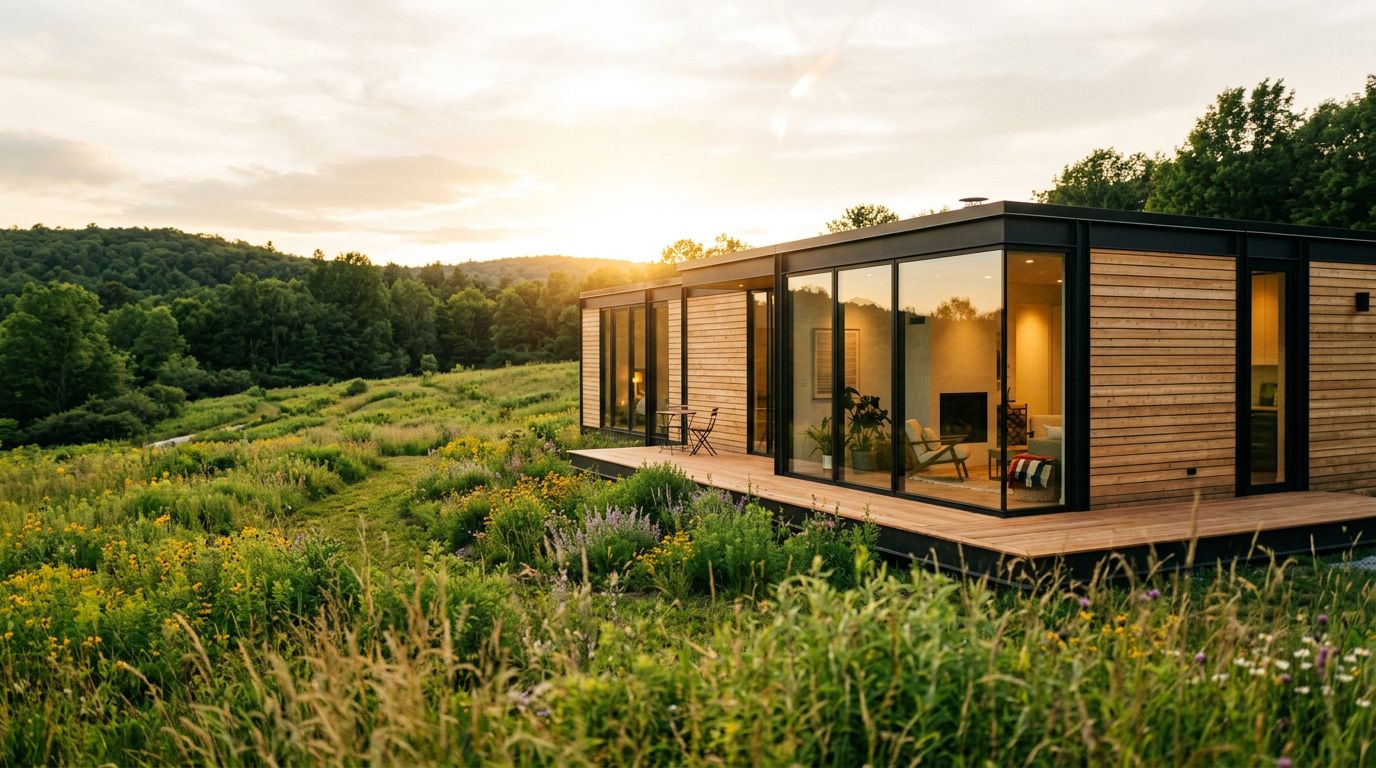
The global prefabricated house market hit $153.79 billion in 2026, growing 7.6% annually from the previous year. As the industry moves toward a predicted $203.49 billion by 2030, real estate agents must address a major issue: the visual reputation of manufactured and modular homes. These buildings are energy efficient and inexpensive to build, but traditional photos often fail to capture the quality of factory-built housing.
AI-based marketing illustrations for prefab houses are now a standard way to fix this problem. By using generative technology, agents can turn basic site photos or modular frames into architectural art. This approach helps people see net-zero energy standards and modern designs that attract buyers who like technology. Companies using these visuals report better engagement and faster sales than those using standard photos.
#01The Economic Imperative for AI Illustrations in Prefab Marketing
The prefabricated homes market was worth $39.2 billion in 2025 and should reach $63.36 billion by 2032. This growth comes from global demand for cheap, sustainable housing. Because these are modular builds, marketing often starts before the house is finished or on-site. Standard 3D renders used to cost between $2,000 and $5,000, which made them too expensive for agents selling smaller manufactured homes.
In 2026, AI illustrations for prefab houses dropped these costs. Platforms like HouseIllustrator let agents make professional images in seconds. This speed helps create materials that show off net-zero energy standards, which can cut home energy bills by 60% to 100%. By turning technical details into art, agents show clear value to buyers. This works well for city modular projects where space and modern looks matter most.
#02Overcoming the Visualization Gap in Manufactured Housing
A major problem in selling manufactured homes is the imagination gap. Buyers find it hard to see past an old exterior or empty rooms to imagine a modern home. Experts in 2026 say that AI illustrations are the best way to show what a property could be instead of what it is right now. This helps find more buyers for older units in mobile home parks.
Using AI Powered Real Estate Illustrations: What Agents Need, agents can stage empty units or turn a standard exterior into an architectural sketch. Data shows 28% of people now want prefab homes if the marketing looks high quality. Using styles like copper linework or simple line drawings makes these homes look like premium architecture instead of budget options. Improving the brand image this way is a key part of marketing prefab houses with AI.
#03Streamlining the Marketing Workflow with HouseIllustrator
Fast work is vital for busy prefab agencies. HouseIllustrator offers an AI workflow that fits easily into current marketing tools. The process starts by uploading a photo. The AI looks at the building's features and lets the user pick an illustration style for that specific home.
An agent selling a luxury modular villa could pick a villa sketch style for elegance. A developer selling an eco-friendly off-grid home might choose a simple line drawing to show clean design. HouseIllustrator makes high-resolution images for brochures, websites, and ads. This quick change from photo to art avoids the wait times of physical staging or graphic design, so agents can list a property in minutes. The platform also uses private processing to keep property data safe.
#04Technical Trends: AI, BIM, and Modular Pre-Sales
Mixing AI with Building Information Modeling (BIM) and automation is a main trend in the 2026 prefab market. Marketing now reflects these technical advances. AI tools make more than just images; they create digital spaces and renders that help the sales process. For modular projects not yet built, agents can create furnished interiors from site plans, which is common in cities like London and New York.
The House Illustration Tools for Realtors: 2026 Use Case Guide explains how these visuals are now standard for sales before construction. By showing an artistic preview of a modular home before it leaves the factory, developers can get more pre-sale contracts. These images connect technical plans with buyer emotions, making benefits like a 35% reduction in carbon, visible and appealing.
#05Maximizing ROI Through Digital Staging and Artistic Renders
The return on investment for prefab AI illustrations is measured by faster sales and higher prices. Physical staging for a manufactured home is hard and expensive, but digital changes offer a better way to scale. AI tools remove clutter from photos and add modern furniture. This level of detail meets the needs of buyers in 2026.
When comparing strategies, AI Virtual Staging vs Architectural Illustration shows different benefits. Virtual staging shows the interior life, while architectural illustrations focus on the building design. Using both helps an agent reach buyers interested in both technical design and lifestyle. In a tough market, these visuals are required for professional listings.
As the prefab and modular housing industry grows, marketing must change too. AI illustrations for prefab homes give agents an affordable way to present these buildings clearly in 2026. With HouseIllustrator, you can turn standard photos into high-resolution art, picking styles like copper linework or villa sketches to match your brand. Improve your next modular listing by turning your photos into professional illustrations and showing clients a clear look at their future home.
Frequently Asked Questions
In this article
The Economic Imperative for AI Illustrations in Prefab MarketingOvercoming the Visualization Gap in Manufactured HousingStreamlining the Marketing Workflow with HouseIllustratorTechnical Trends: AI, BIM, and Modular Pre-SalesMaximizing ROI Through Digital Staging and Artistic RendersFAQ