Convert Property Photo to Illustration: 2026 AI Guide
April 16, 2026
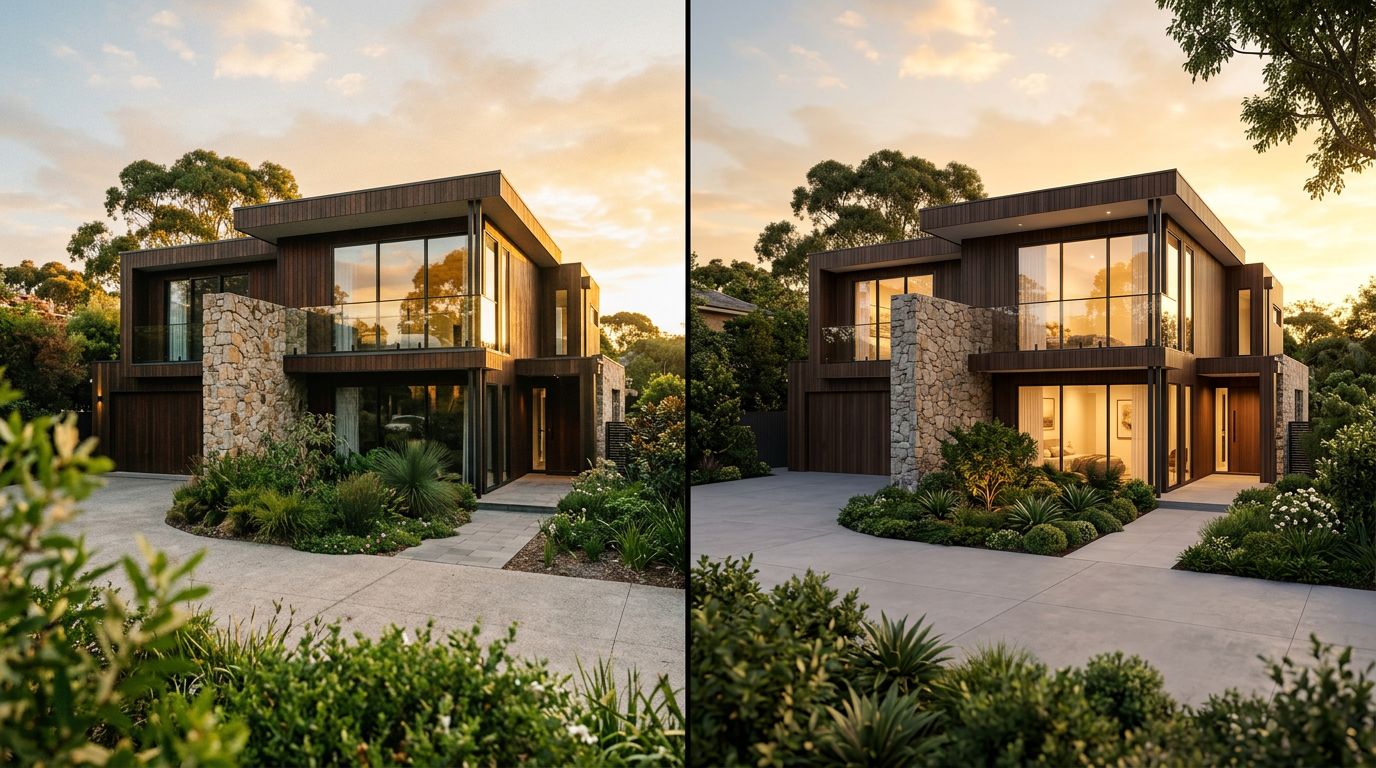
The visual standard for real estate marketing has shifted toward high-impact, artistic assets that differentiate listings in a crowded digital environment. In 2026, the virtual staging and architectural visualization market has grown to an estimated $1.33 billion, with projections indicating a rise to $10.8 billion by 2033. This growth is driven by the realization that high-quality visual enhancements, such as the ability to convert property photo to illustration formats, directly correlate with market performance.
Data indicates that listings featuring AI-enhanced imagery or artistic illustrations generate 40% more views and sell 32% faster than those relying solely on standard photography. By transforming a literal photograph into a stylized architectural render, agents can evoke a specific brand aesthetic while reducing the costs associated with traditional physical staging by 95% or more. This guide examines the technical frameworks and strategic benefits of implementing AI-driven property illustrations in 2026.
#01The Economics of Property Illustration in 2026
Moving from standard photography to illustrated property assets is a strategic necessity for high-performing agencies. Traditional architectural rendering often required weeks of lead time and significant capital expenditure. However, modern AI solutions allow professionals to convert property photo to illustration assets in seconds, changing the ROI profile of property marketing. Experts note that these automated workflows improve production, enabling the rapid creation of engaging materials that stand out on property portals.
When comparing architectural illustration vs traditional rendering, the primary advantage of AI is its ability to maintain the structural accuracy of the original photo while applying sophisticated artistic filters. This process creates a textured, high-end feel that appeals to the emotive side of buyers, particularly in the luxury and off-plan sectors. By using these tools, firms can maintain a consistent brand identity across an entire portfolio without the variance typically found in manual retouching or different photography styles.
#02Technical Workflow for Converting Photos to Illustrations
Converting a raw property image into a professional illustration involves a sophisticated analysis of light, shadow, and geometry. Platforms like HouseIllustrator use advanced AI technology to analyze property photos instantly upon upload. The system identifies key architectural elements, such as rooflines, window placements, and landscaping, and applies a chosen stylistic layer over these foundations. This ensures the resulting illustration is a coherent architectural representation rather than just a filter.
The industry-standard workflow typically follows a three-step process consisting of upload, style selection, and download. Users can upload common formats like JPEG, PNG, or WEBP, allowing the AI to perform a thorough analysis of the structure. Professionals then choose from multiple illustration styles, such as copper linework or a classic villa sketch, to match the specific character of the home. This level of control allows for a tailored marketing approach that traditional photography cannot provide.
#03Stylistic Variation and Brand Alignment
One of the most significant advantages of using AI to convert property photo to illustration assets is the ability to match the visual output to a specific brand identity. For instance, HouseIllustrator offers a variety of artistic styles, such as minimalist line illustrations for modern urban apartments. Selecting the right style is important for targeting the correct demographic and ensuring the property resonates within its local market.
In 2026, the demand for unique visual storytelling has led to the adoption of specific artistic renders. Using AI visuals for listing presentations helps agents win more business by showing a commitment to premium marketing. Marketing teams can iterate through styles like rustic charcoal sketches or clean vector renders to A/B test their visuals and identify which artistic approach drives the highest engagement on platforms like Zillow or Rightmove.
#04Data Security and High-Resolution Output Standards
For technical leads and business decision-makers, the security of intellectual property and image data is a primary concern. Enterprise-grade AI tools now prioritize secure and private processing, ensuring that property photos are processed without being stored or used in public training sets without permission. This is particularly vital for high-profile listings where privacy is a contractual requirement. HouseIllustrator, for example, processes all photos securely, providing peace of mind for firms handling sensitive client data.
Furthermore, the quality of the output must meet professional print standards. To be effective in property brochures and large-scale signage, an illustration must be delivered in high resolution. AI tools in 2026 are capable of generating sharp, clean lines that remain crisp even when scaled for physical marketing materials. This ensures a smooth transition from a digital listing into a physical brochure, maintaining a professional appearance across all parts of the buyer's journey.
#05Evaluating Success with Before/After Comparisons
The final stage of the illustration process involves quality assurance and performance tracking. Many modern platforms include an interactive before/after comparison tool, often featuring a slider that allows the user to see exactly how the AI has reinterpreted the original photograph. This transparency is needed for ensuring that the illustration remains an honest representation of the property while enhancing its aesthetic appeal. Following a detailed AI architectural illustration guide helps users master these tools for maximum impact.
As the real estate industry continues to embrace automation, the ability to convert property photo to illustration formats will remain a key differentiator. Agencies that adopt these tools early are seeing a marked improvement in their listing metrics, with increased view counts and faster sales speeds providing a clear competitive advantage. By integrating these artistic renders into a broader marketing strategy, professionals can deliver a superior visual experience that meets the high expectations of the 2026 real estate market.
Converting property photos into sophisticated illustrations is an impactful strategy for any real estate professional seeking to improve their market presence. By using HouseIllustrator, you can transform standard listing photos into elegant, high-resolution architectural illustrations in seconds. If you require a classic villa sketch or minimalist copper linework, our AI-powered tool provides the speed and stylistic variety needed to make your property brochures and websites stand out. Upload your first property photo to HouseIllustrator today and see how professional-grade illustrations can accelerate your sales cycle.