AI Illustrations for Co-Living Space Marketing
April 11, 2026
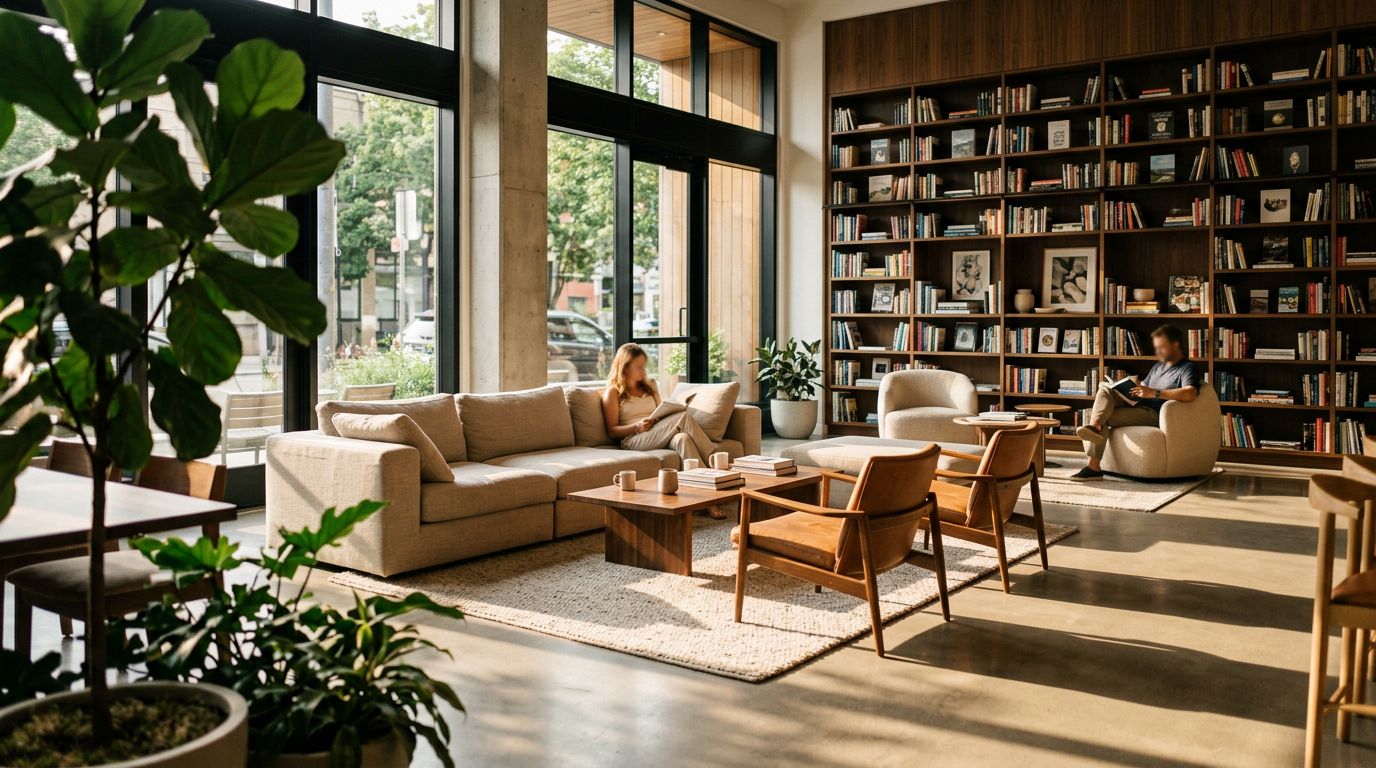
The global co-living market is institutionalizing rapidly, with valuations expected to reach USD 10.31 billion in 2026. This growth, which has a compound annual growth rate (CAGR) of 14.81%, marks a major change in how urban housing is developed. For managers with large portfolios, the goal is to make identical bedroom units stand out while showing the value of shared areas. Regular photography often fails to show the community feel that justifies higher prices. Data from 2026 suggests that co-living space AI marketing illustrations are now essential for leasing teams. By combining AI renders with standard photos, operators see a 22% increase in 'save' rates on property portals. This happens because Gen Z and Millennial renters often doubt hyper-realistic CGI, which can feel cold or fake. Instead, they prefer stylized visuals that help them imagine living in the social environment of the building.
#01The Strategic Value of Artistic Renders in a Crowded Market
Co-living units are often seen as identical products in 2026. When every listing shows a standard en-suite room with basic furniture, visual style is the main way to get noticed. AI illustrations solve this by turning basic photos into lifestyle images. These visuals focus on mood and lighting instead of just square footage. Marketing experts say that stylized renders from HouseIllustrator create lifestyle-focused visuals. This works well for shared spaces like rooftops, lounges, and communal kitchens. Using styles like copper linework or villa sketches creates a sense of personality that photos often lack. This art helps renters imagine dinners or working together, which are big selling points. Moving from 'viewing a room' to 'imagining a life' drove the 22% engagement increase seen this year.
#02Financial Performance and ROI of AI Illustration Integration
Moving from 3D architectural rendering to AI-driven illustration saves time and money. High-quality renders used to cost $500 or more per image and took weeks. In 2026, AI tools do this in minutes. This speed lets operators update ads as designs change or new features are added to a project. The return on investment comes from faster leasing. For buildings under construction, architectural illustrations for real estate marketing show the finished lifestyle early. This is helpful for hotel-to-residential projects where the site might look messy. AI illustrations hide the mess and show the potential. Operators using AI for matching and marketing report 18% higher resident satisfaction because the branding matches the real experience.
#03Overcoming the CGI Fatigue of Gen Z and Millennial Renters
Many Gen Z and Millennial renters are skeptical of perfect CGI. They see polished renders as unrealistic, which hurts trust during the digital tour. AI illustrations provide a better option through stylized looks. By showing an artistic version instead of a fake photo, brands show their design intent honestly. Techniques in AI virtual staging vs architectural illustration keep the room's actual shape while adding art. HouseIllustrator lets users upload photos and apply styles so the room stays real but looks better. This honesty builds trust. When residents move in and see the layout is the same, they feel the marketing was fair. This trust is important for brand loyalty.
#04Visualizing Shared Experiences Through Abstracted Immersion
Co-living depends on shared experiences, but these are hard to photograph without models and staging. AI illustrations solve this by showing the energy of a space. In 2026, firms like MBH Architects use AI to plan layouts that encourage community. These illustrations use light and shadow to suggest activity without showing specific people who might look out of place. A kitchen shown as a line drawing lets the viewer imagine themselves there. This works for AI illustrations for apartment listings where many people share amenities. By showing the feel of a yoga deck or cinema, AI creates a story that photos cannot.
#05Workflow Optimization and High-Resolution Output for Portfolios
Efficiency is necessary in the co-living business. HouseIllustrator makes marketing materials faster through an instant transformation process. Users upload site photos, and the AI creates professional illustrations in seconds. This speed helps managers keep branding consistent across many cities. These images work for printed brochures and social media. Property managers also use the before and after tool to show how a dull space can improve. This technical accuracy and private processing keep data safe. As companies move toward fewer staff (some hitting 1:45 bed-to-staff ratios), generating content automatically is a major advantage.
The co-living market is heading toward a USD 31.12 billion valuation by 2034. Success will go to those who tell the best stories. AI marketing illustrations are a tool that connects physical rooms to the social community. Using HouseIllustrator to turn photos into art can increase engagement by 22% and lower costs. Improve your portfolio by turning property photos into professional illustrations that attract urban renters.
Frequently Asked Questions
In this article
The Strategic Value of Artistic Renders in a Crowded MarketFinancial Performance and ROI of AI Illustration IntegrationOvercoming the CGI Fatigue of Gen Z and Millennial RentersVisualizing Shared Experiences Through Abstracted ImmersionWorkflow Optimization and High-Resolution Output for PortfoliosFAQ