Amsterdam Real Estate AI Illustration Tools: 2026 Guide
April 11, 2026
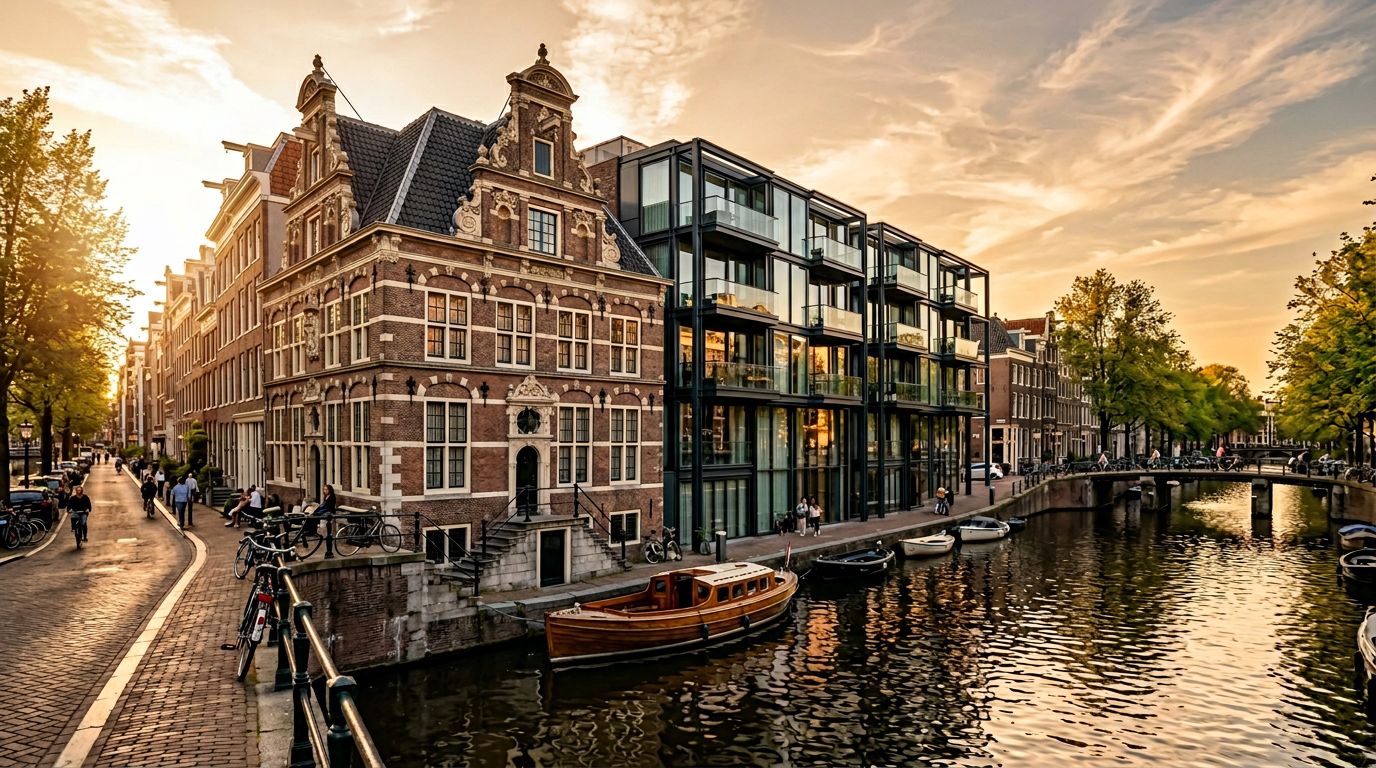
Amsterdam's property market requires high-quality visual storytelling, especially since the global real estate AI sector is expected to reach USD 404.9 billion by 2026. For agents in the Grachtengordel or Noord districts, standard photos often fail to show the potential of historic houses or empty apartment shells. Using Amsterdam real estate AI illustration tools is now a strategy for professionals who want to stand out on platforms like Funda. These tools let agents avoid the costs and logistics of physical staging. Instead of moving furniture into a small heritage property, firms use automated visuals to show finished rooms to investors and buyers. This is a move toward vertical AI, which is software made for architecture and property instead of general art.
#01The Rise of Vertical AI in the Dutch Property Market
The Dutch real estate market increasingly relies on specialized technology. While Amsterdam has a strong general AI scene with companies like Sensity AI, the property sector prefers visualization platforms made for this industry. Data shows that global AI in real estate is growing at a 33.9% CAGR. This growth comes from tools that fit into agent workflows. In Amsterdam, where property values can top €10,000 per square meter, visual accuracy is vital. Vertical AI tools provide more control than general ones. For example, when using AI architectural illustration from photos, the software must follow strict building codes and Dutch architectural features like steep gables and large windows. Generic generators often fail at these regional details. Specialized tools are trained on architectural data, which keeps the structural details correct while improving the look for local buyers who like clean, minimalist, or industrial designs.
#02Top AI Illustration and Visualization Tools for 2026
Several platforms are now leaders for Amsterdam professionals. Rendair AI is popular for renovation overlays, which helps with the city’s many fixer-upper listings. It lets users apply styles like Scandinavian or Modern to existing photos. This helps buyers see how an old interior could change without the agent paying for 3D renders. For marketing, Canva’s Magic Studio is common in Dutch offices. Features like Magic Expand and Magic Grab allow quick editing for brochures and social media posts. REimagineHome offers AI for virtual staging and furniture removal. These tools save money, and some reports show 90% lower costs compared to renting physical furniture. By using a guide to artistic property renders, agents can build a system that handles everything from photo editing to artistic visuals.
#03Leveraging HouseIllustrator for High-End Listings
While virtual staging handles furniture, HouseIllustrator offers a marketing edge by turning standard photos into architectural artwork. This works well for the luxury market in areas like Oud-Zuid or for new developments where a photo looks unfinished. With HouseIllustrator, real estate professionals convert photos into illustration styles, like copper linework or villa sketches, in seconds. HouseIllustrator uses an Instant AI Transformation process to analyze photos and apply professional filters. The high-resolution results work for high-end brochures and website images. The platform has a comparison tool so marketing teams can check the transition before using it. For agents building a personal brand, moving from standard photos to illustrated assets creates a premium look. Secure processing keeps property data protected during the creative process.
#04Workflow Optimization for Amsterdam Real Estate Agencies
Efficiency drives AI use in 2026. A standard listing in Amsterdam now uses several tools. An agent might start with a photo of an empty apartment in De Pijp, use Rendair or REimagineHome to clear the space, and then use HouseIllustrator to create a cover for a PDF prospectus. This step-by-step guide to AI illustration conversion shows how fast these assets are made. Once the renders are ready, they go into Canva to be paired with descriptions written by AI models. This process keeps the visuals and text matched. For large teams managing portfolios across the Randstad, these workflows ensure the brand looks the same across all listings. Exporting illustrations in different formats makes it easy to move from digital ads to print in Dutch publications.
#05Compliance and Transparency in Dutch AI Marketing
As Amsterdam real estate AI illustration tools become common, regulators and listing sites have added rules for disclosure. In the Netherlands, most listing boards require labels when a photo is virtually staged or changed. This is necessary to keep buyer trust, especially when buyers are overseas. Professional standards in 2026 suggest using AI illustrations to support factual photos, not replace them. For example, using an illustration for an unbuilt development is standard, but for an existing house, it is better as a secondary image to show potential. This honesty lets agents use the beauty of AI without legal risks or reputation damage. Using secure platforms like HouseIllustrator, which does not store photos without permission, helps agencies follow EU data privacy (GDPR) rules.
#06Cost-Benefit Analysis: AI vs. Traditional Rendering
The financial case for AI tools is strong. Traditional architectural rendering for one property can cost between €300 and €1,500. Subscription AI tools usually cost €15 to €30 per month. This accessibility lets solo agents and small shops compete with big international firms. Beyond cost, speed is a major factor. In the fast Amsterdam market, where homes sell in less than a week, waiting ten days for a render is not an option. AI tools give results in seconds, letting agents act on market interest immediately. When considering the lower cost of staging, which can be thousands of euros, the return on AI tools happens quickly.
The Amsterdam real estate market in 2026 is one where visual innovation is no longer optional. Agencies that do not use Amsterdam real estate AI illustration tools risk falling behind because buyers expect high-quality visualizations. For a historic building or a sleek modern development, the ability to transform a standard photo into a compelling architectural story is a powerful closing tool. Improve your next listing by using HouseIllustrator to turn property photos into professional illustrations and give your marketing a competitive edge in the Dutch market.
Frequently Asked Questions
In this article
The Rise of Vertical AI in the Dutch Property MarketTop AI Illustration and Visualization Tools for 2026Leveraging HouseIllustrator for High-End ListingsWorkflow Optimization for Amsterdam Real Estate AgenciesCompliance and Transparency in Dutch AI MarketingCost-Benefit Analysis: AI vs. Traditional RenderingFAQ