AI Illustration for Real Estate Window Cards: Agent Guide
April 11, 2026
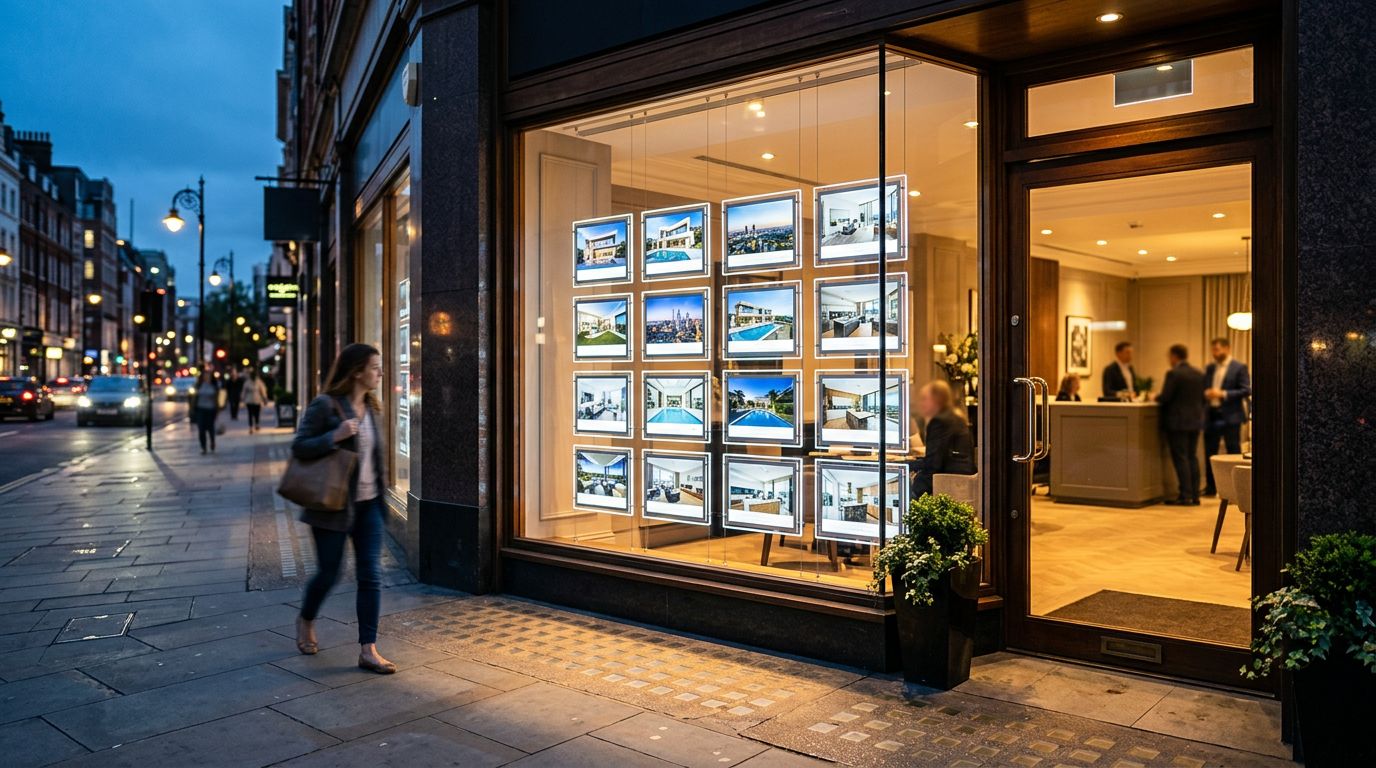
The physical storefront is a main point of contact for estate agencies. Window cards are the primary way to capture foot traffic and local interest. By 2026, moving from standard photography to high-impact visual assets is a market necessity. Because digital displays and high-resolution print formats require better aesthetics, property professionals use AI illustration for real estate window cards to make their listings stand out on a busy high street.
New developments in computer vision and generative modeling let agencies produce architectural visualizations that were once only for luxury projects. Adding these tools to the marketing process helps firms go past the limits of weather-dependent photography. This method improves the visual identity of a property. It also meets modern consumer expectations for polished, artistic materials that show a home’s potential.
Organizations using automated visual enhancements see better preparation efficiency. They often reduce the time spent on manual texture and rendering tasks by 60 to 70 percent. For high-street agents, this means faster listing times and better window displays. This guide looks at using AI-generated illustrations for physical window cards, focusing on workflows, branding, and the tools used in 2026.
#01The Strategic Shift in Window Card Marketing
Traditional window cards usually rely on wide-angle photography. These often have poor lighting or distracting clutter. In 2026, the real estate sector uses a more curated look. AI illustration for real estate window cards lets agents present a property through an artistic lens. It focuses on structural style and architectural character. This works well for architectural illustrations for real estate marketing. The goal here is to get an emotional response instead of just documenting a room.
Data shows that buyers judge property visuals within seconds. Standard photos often blend together on a board, while an illustrated render, like a copper linework or a villa sketch, provides a distinct visual break that captures attention. AI tools now automate the 'window pull' process. This blends exterior views with interior shots so the scenery outside is as clear as the furniture inside. This level of detail used to require hours of manual work. Now, it is necessary to keep high-volume agencies profitable. By using these automated tools, agents ensure every window card has a premium, consistent quality regardless of the original photo’s lighting.
#02Enhancing Curb Appeal with Specialized AI Styles
Different property types need different visual styles. A modern penthouse in a city looks best with minimalist line illustrations. A heritage cottage works better with a classic villa sketch. Our Store, also known as HouseIllustrator, provides these specific styles. Agents can change standard property photos into illustrations in seconds. This flexibility ensures the window card matches the agency brand and the unique feel of the home.
For agents focusing on artistic property renders for agents, the choice of style can influence the perceived value of a listing. Technical leads in real estate marketing say that high-resolution output is required for print formats like A3 or A1 boards. Platforms like HouseIllustrator use AI technology to analyze property photos instantly. They create professional artwork that keeps the building's structure while adding an artistic layer. This is helpful for 'fixer-upper' properties. AI-driven realism bridges the gap between a property’s current state and its future potential. It is an ideal choice for window cards showing homes that need renovation.
#03Technical Workflow for Print-Ready Window Displays
Creating an effective window card in 2026 involves a multi-stage AI workflow. This ensures the final print is crisp. The process starts with high-quality photo capture, often using bracketed exposures for high-contrast areas. Once the raw images are ready, they go through transformation tools for the right artistic effect. HouseIllustrator allows for secure and private processing. Agents upload photos in any common format and get high-resolution illustrations for marketing.
After the illustration phase, the assets are added to design platforms like Canva Magic Studio. In 2026, these platforms have AI features like Magic Resize. This tool fits the illustrated property image to different board sizes, such as A1, A2, A3, or A4, without losing detail. Professional workflows also use 'Magic Write' for headlines to make sure the text matches the visual tone. High-street agencies often add QR codes to these cards. This links the physical illustration to a virtual tour or digital brochure. This hybrid method, which combines physical AI illustration with digital access, increases the return on investment for the window display.
#04Branding Consistency and High-Resolution Requirements
Keeping a uniform look across a window display is important for agency brand recognition. When an agency uses AI illustration for real estate window cards, they must ensure every listing follows a style guide. Using a 'Brand Kit' in design software lets firms lock in colors, fonts, and illustration styles. For example, an agency might use a copper linework style for prime listings and a minimalist line illustration for standard ones. This hierarchy helps buyers browse the window display based on their price point.
Following real estate brochure design best practices is also useful for window cards. Because these cards are often back-lit in LED displays, the contrast and resolution must be high for light transmission. Blown-out highlights or low-quality artifacts are visible in these displays and can hurt the agency’s image. By using HouseIllustrator’s high-resolution output, agents can be sure their illustrations will stay sharp and vibrant, even when printed for large-format site hoarding or premium window placements.
#05Efficiency Gains and Operational ROI
Using AI in visual marketing is driven by the need for speed. In the 2026 market, properties that go live faster often sell for more. AI tools for material generation and rendering now cut preparation time by large margins. Marketing teams can go from a photoshoot to a finished window card on the same day. This speed is a competitive advantage for agents who launch a listing while interest is high.
Also, the cost of AI-powered property transformation is low compared to traditional architectural rendering. While full automation is still developing for high-value off-plan projects, it works well for the daily needs of estate agents. Tools like HouseIllustrator provide an instant transformation that removes the need for expensive outsourcing. Agencies that use these workflows see a reduction in marketing costs. At the same time, they improve the quality of their physical displays, leading to more interest from passersby and more listing inquiries.
Improving your high-street presence requires a move toward sophisticated, artistic visuals that capture the interest of potential buyers. HouseIllustrator offers a simple three-step workflow: upload, choose style, and download. This transforms your property photos into professional illustrations made for high-impact marketing. By adding AI illustration for real estate window cards to your strategy, you can provide a unique visual experience that standard photography cannot match. Use HouseIllustrator today to create high-resolution, branded illustrations that turn your office window into a strong lead-generation tool.