AI Illustration for Real Estate Website Hero Images
April 10, 2026
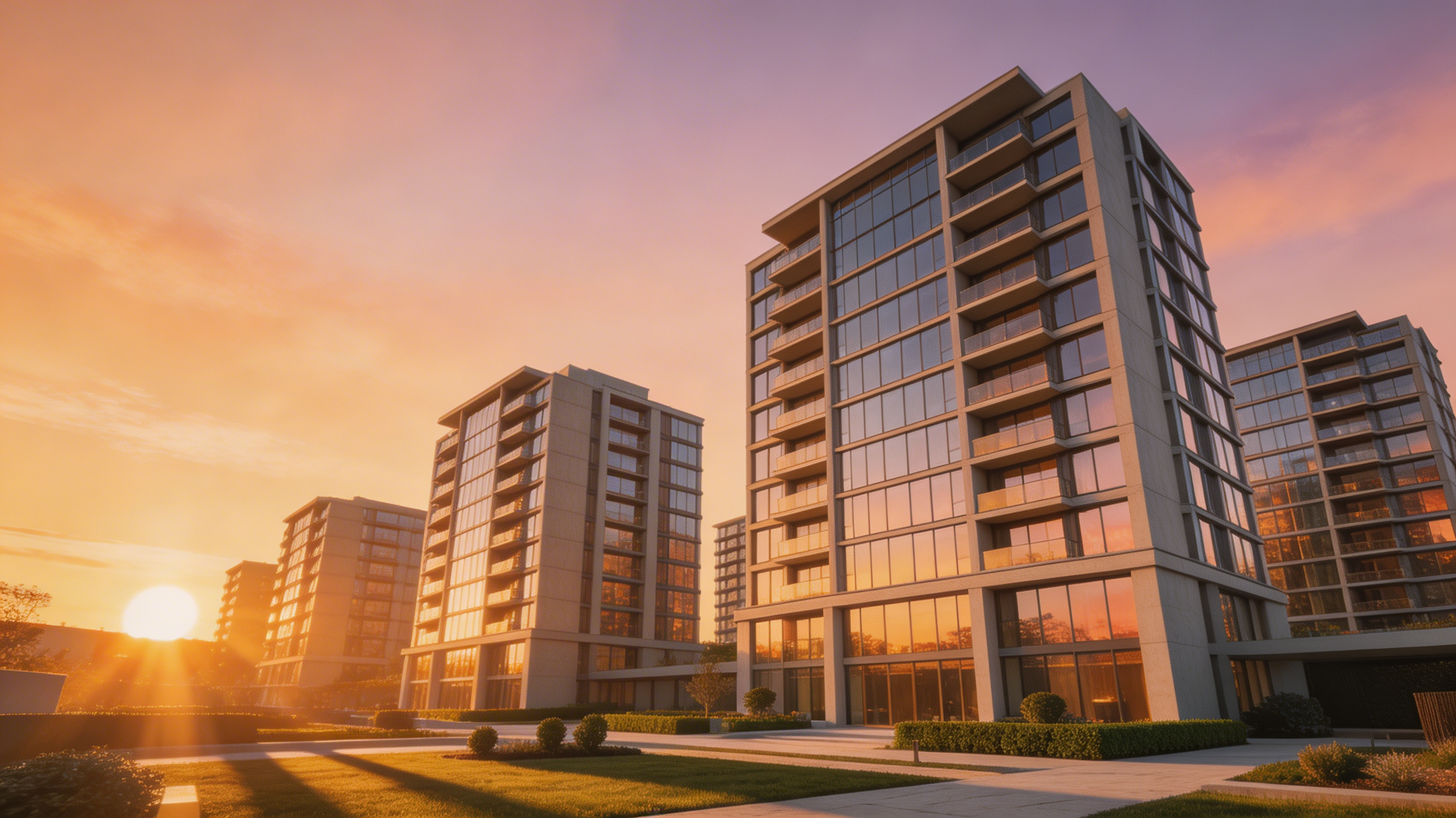
The hero section of a real estate website serves as the digital front door for any brokerage or development project. In an environment where 92% of prospective home buyers demand high-quality visual content before committing to an in-person visit, the primary image—the hero shot—carries disproportionate weight. Traditional photography often falls short when marketing off-plan properties or trying to convey a specific lifestyle aesthetic that stock photography cannot replicate. This is where the strategic application of AI illustration for real estate website hero images becomes a critical competitive advantage.
Modern buyers are no longer satisfied with generic, pixelated exterior shots or repetitive stock images of smiling families. They seek authenticity and specific property potential. Leveraging advanced generative tools allows real estate professionals to create bespoke, high-resolution visuals that align perfectly with brand identity while highlighting a property's unique selling points. By moving beyond the limitations of the camera lens, agents can present a vision of 'what could be' with surgical precision and artistic flair.
#01The Quantitative Impact of High-Impact Hero Visuals
Data from 2025 and 2026 market analyses indicates that listings featuring professional-grade visuals receive 3.2x more page views than those with substandard imagery. When these visuals are placed in the hero section—the area above the fold on a homepage—the impact on user retention is immediate. Statistics show that professional visual assets yield an average price premium of $11,900 and can reduce the total days on market by approximately 15%, or 31 days. Using AI illustration for real estate website hero images allows firms to achieve this professional standard without the logistical delays associated with traditional architectural photography.
Currently, 70% of real estate agents have integrated AI tools into their visual marketing workflows. This adoption is driven by the need for speed and scalability. While 89% of modern real estate websites now feature virtual tours, the hero image remains the primary hook that encourages a user to engage with those deeper interactive elements. By utilizing architectural illustrations for real estate marketing, developers can ensure that the very first pixel a visitor sees communicates luxury, stability, and attention to detail.
#02Generative AI vs. The Limitations of Stock Photography
Stock photography is increasingly viewed as a liability in high-end real estate marketing. It lacks the specificity required to build trust with sophisticated investors and home buyers. In contrast, tools like DALL-E 3 and Leonardo.ai enable the creation of custom AI illustrations for real estate website hero images that are tailored to the exact specifications of a listing. For example, a prompt can generate a 'waterfront luxury home at sunset with contemporary glass architecture,' providing a unique asset that stock libraries simply do not possess.
Expert practitioners in 2026 emphasize that custom-generated hero shots are essential for maintaining brand consistency across a portfolio. Using the best real estate illustration generators in 2025, marketing teams can define a specific color palette, lighting style, and architectural language that persists across every page of the site. This level of control ensures that the hero section does not just look 'good' but looks 'right' for the specific target demographic, whether that is young professionals in urban condos or retirees looking for coastal estates.
#03Bridging Current Reality and Potential with Rendair AI
One of the most powerful applications of AI illustration for real estate website hero images is the 'potential visualization' for fixer-uppers or empty lots. Tools like Rendair AI and REimagineHome specialize in photo-to-potential transformations. Instead of a hero image showing a dilapidated facade or a barren plot of land, AI can generate a hyper-realistic illustration of the renovated structure. This allows agents to pre-sell homes with architectural illustrations before a single brick is laid or a wall is painted.
This technique is particularly effective for off-plan marketing. In 2026, the market for AI property developer off-plan marketing illustrations has matured, with developers using AI to create entire neighborhood scenes for their website headers. These images serve as more than just decoration; they are sales tools that help buyers visualize their future lifestyle. When a hero image accurately depicts the planned greenery, community spaces, and architectural finish of a development, it bridges the gap between a blueprint and an emotional connection.
#04Technical Optimization: Speed, UX, and Mobile-First Design
While the aesthetic quality of an AI illustration for real estate website hero images is paramount, technical execution determines its actual effectiveness. With 85% of real estate searches now occurring on mobile devices, hero images must be optimized for performance. Large, uncompressed files can slow down page load times, which is a major deterrent for both users and search engine algorithms. AI search engines in 2026 prioritize fast-loading, multimodal visuals that provide immediate value.
Best practices for website headers include using AI-powered compression tools that maintain high resolution while reducing file size. Furthermore, the use of AI-powered real estate illustrations for agents should be integrated with responsive design frameworks. Tools like Canva Magic Studio allow creators to 'Magic Expand' images, ensuring that a hero shot looks as impressive on a vertical smartphone screen as it does on a 27-inch desktop monitor. Proper aspect ratio management and focal point alignment ensure that the property's strongest feature—be it a gourmet kitchen or a panoramic view—remains front and center regardless of the device.
#05AI Workflows for Brand Consistency and High Volume
For large brokerages or property management firms, producing unique hero images for hundreds of listings is a logistical challenge. Automated AI workflows, such as those provided by Imagen AI or Autoenhance.ai, allow for batch processing of property photos into stylized hero shots. These tools can automatically perform sky replacements, HDR merging, and perspective correction, ensuring a consistent 'signature look' across the entire website. This consistency is a hallmark of luxury real estate marketing illustrations, where the brand's visual identity must be as premium as the properties themselves.
Integrating these visuals with other AI-driven website features, such as chatbots and personalized property recommendations, creates a cohesive user experience. When a visitor is greeted by a stunning, custom-tailored hero image that reflects their specific search criteria—thanks to behavioral data—conversion rates see a significant uptick. The transition from property photo to artistic render becomes a seamless part of the listing process, allowing agents to go from 'just listed' to 'under contract' with unprecedented speed.
The strategic implementation of AI illustration for real estate website hero images represents a fundamental shift in property marketing. By leveraging generative tools and specialized AI editing software, real estate professionals can move beyond the constraints of traditional photography to create visuals that are more engaging, more consistent, and more effective at driving conversions. As visual content remains the primary driver of buyer engagement in 2026, the ability to generate high-resolution, bespoke hero shots is no longer an optional luxury but a necessity for any firm looking to dominate the digital landscape.