AI Illustration for Real Estate Landing Pages: 2026 Guide
April 11, 2026
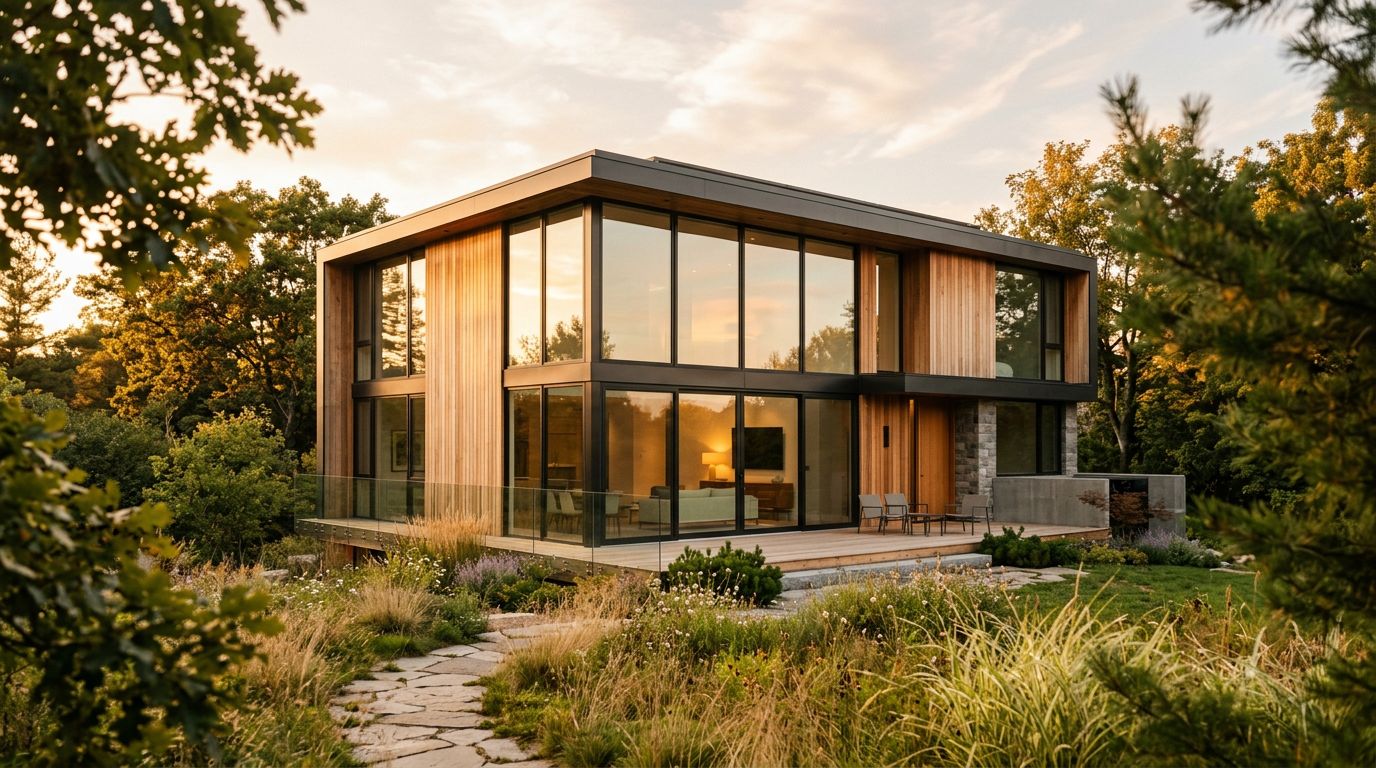
AI illustration for real estate landing pages is now a requirement for high-performing digital campaigns. As the real estate AI market reaches an estimated $303 billion in 2025 and moves toward $989 billion by 2029, the demand for automated visual content has grown. Real estate professionals are choosing bespoke AI illustrations over generic stock photos to show value without the high costs of traditional architectural rendering.
Effective landing pages in 2026 must focus on conversion speed and brand identity. While high-definition photography is still essential for building trust, artistic AI illustrations help agents and developers grab attention during early research phases. These visuals help potential buyers imagine the potential of a property. This guide looks at using AI-driven imagery to increase lead generation and return on investment in the modern property market.
#01The Strategic Role of AI Illustration in 2026 Real estate Marketing
By 2026, over 85% of property searches happen on mobile devices. The first visual a user sees determines if they stay on a landing page or leave. Search engines now prioritize websites with custom visuals and organized data instead of standard listings. AI illustration for real estate landing pages is a key way to stand out in a crowded market. By turning property photos into art, marketers create a consistent look across local landing pages.
Recent industry surveys show that 72% of real estate professionals use at least one AI-powered tool. The shift toward automated visuals is driven by the need for speed: AI creation is often 90% faster than manual graphic design. Teams using HouseIllustrator can change property photos into professional illustrations in seconds, allowing for fast testing of different landing page versions. This speed is important for keeping market share in regions where listing time is a key performance metric.
Using AI illustrations also helps build authority for local neighborhoods. Instead of using low-quality phone photos of a park or community center, agents can use AI to create high-resolution, branded illustrations. This builds a professional story that appeals to business leaders and buyers who value detail in property presentations.
#02Maximizing Conversion Rates with Personalized Visual Elements
Personalization includes the visual experience, not just text. Using AI illustration for real estate landing pages allows visuals to change based on buyer intent. A landing page for families might show a property in a villa sketch style to suggest stability. A page for urban professionals might use minimalist line drawings to highlight modern features.
Research shows that personalizing landing page content can increase conversion by about 25%. This works well when AI illustrations show the future potential of a property. Tools like HouseIllustrator help by offering different styles, such as copper linework or villa sketches, to match a brokerage's brand. By picking a style that fits a specific group of people, marketers make the page easier to understand and lead the user toward the call to action.
To see how these illustrations differ from other technology, view our AI virtual staging vs architectural illustration comparison. Virtual staging is good for interior layouts, but AI architectural illustrations have a wider marketing appeal for the start of the sales process where the goal is to build brand prestige.
#03Balancing Technical Performance and Visual Quality
Marketing leaders must focus on page speed and Core Web Vitals to keep search engine rankings in 2026. Heavy images are the main cause of slow load times, which lead to higher bounce rates. AI illustration for real estate landing pages offers a technical edge: these graphics often compress better than complex photos while looking high-end.
HouseIllustrator meets these technical needs by providing high-resolution files made for marketing materials and websites. The platform ensures secure and private processing, which is vital for companies handling sensitive property data. Because the AI analyzes photos instantly, there is no delay in production. This allows developers to update landing pages as project phases change.
Experts say visuals should clarify decisions, not distract. AI illustrations should support the story of the page. Placing a high-quality illustration near a lead form can make a user more confident by showing a polished image of the property. This organized approach to images, along with simple designs and white space, keeps the landing page fast on mobile devices.
#04AI Illustration vs. Traditional Architectural Rendering
Choosing AI illustration for real estate landing pages instead of traditional 3D rendering saves a lot of money. Traditional rendering is slow and requires manual work and many revisions that can last weeks. AI tools provide fast results by using existing photos. This allows real estate teams to spend more on ads instead of expensive production.
While old-fashioned renders are needed when no photos exist, AI illustrations are the better choice for marketing existing buildings or renovations. Because the AI uses a photo as a base, the structure stays accurate. This prevents creating unrealistic expectations that could hurt trust during a sale. For more on these benefits, see our property listing illustration ROI guide.
When comparing AI illustration vs traditional architectural rendering, style flexibility is a major benefit. Traditional renders usually stay in one style, but AI tools can create copper lines, charcoal sketches, or watercolors from the same image. This allows one property to be marketed on Instagram, LinkedIn, and landing pages using different styles for each audience.
#05Implementation Best Practices for Real Estate Professionals
Using AI illustration for real estate landing pages requires a clear process. First, pick high-quality photos. The AI will change the image, but the original lighting and composition matter. After uploading to HouseIllustrator, use the slider tool to check that the building features are clear.
Consistency is the second step for success. A landing page should have one style. If the main image is a line drawing, the other images should match. This creates a professional brand for buyers.
Finally, connecting the tool to your CRM and marketing software is essential. HouseIllustrator lets you export files that work with web builders. This makes the move from a photo to a marketing asset easy. This efficiency lets real estate teams focus on leads instead of design details.
Using AI illustration for real estate landing pages is a proven way to increase engagement and sales in the 2026 property market. By combining the speed of AI with artistic styles, real estate professionals can create pages that stand out. To improve your marketing, use HouseIllustrator to turn your property photos into professional art today. Upload your first photo to see how fast, high-resolution AI changes can improve your landing page performance and brand.
Frequently Asked Questions
In this article
The Strategic Role of AI Illustration in 2026 Real estate MarketingMaximizing Conversion Rates with Personalized Visual ElementsBalancing Technical Performance and Visual QualityAI Illustration vs. Traditional Architectural RenderingImplementation Best Practices for Real Estate ProfessionalsFAQ